Published Oct 20, 2026
5 minute read

At a glance
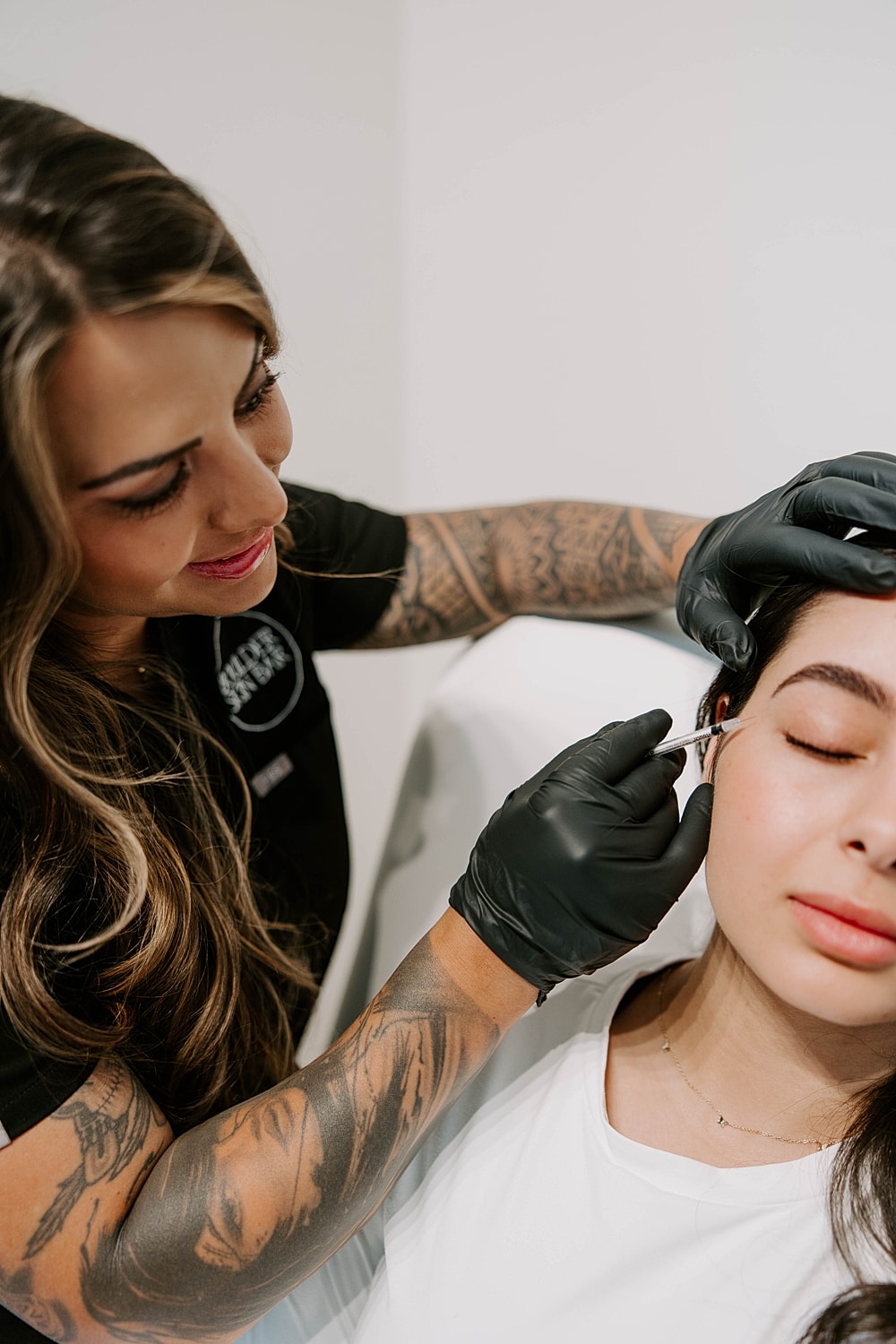
Facial balancing uses small, carefully placed amounts of filler and Botox to bring the two sides of your face closer together, without surgery. Filler restores volume where one side has lost it, and Botox settles a muscle that pulls harder than its twin. The aim is a face that reads as rested, balanced and unmistakably yours.
Most people notice it in a photograph. Something about one side sits differently, and once you have seen it you tend to keep seeing it, even though nobody else has ever mentioned it. The useful question is not which side is wrong, because neither of them is. It is what actually changed: the volume sitting under the skin, or the muscle moving above it. Those have different answers, both of them treatable, and telling them apart is most of what a good consultation does.
What Actually Causes Facial Asymmetry?
Bone, muscle and the soft tissue between them all develop slightly differently on each side, and time widens the gap. What makes the difference suddenly visible is usually ordinary: a camera angle, a harsher light, or volume leaving one side a little faster than the other. Soft tissue is the part that can be adjusted without surgery, and it is usually what has shifted.
The bone underneath sets the proportions, and in most people the two sides are not a perfect match. Above it sit pads of fat that do not shrink at the same rate on both sides, so a cheek that used to sit full can flatten while its opposite keeps its shape. The result reads as a face slightly off balance rather than as a face that has aged.
The Habits That Build It In
Muscles add their own version. Sleeping on one side, chewing mostly on one side, or favouring one expression for years will build one muscle harder than its twin. It is slow and nobody notices it happening, which is why it tends to be a surprise when a photograph finally shows it.
When Asymmetry May Be a Medical Concern Rather Than a Cosmetic One
One kind of asymmetry is not cosmetic. If a change is sudden or unexplained, and particularly if it arrives with weakness, numbness, drooping, changes to your vision or difficulty speaking, that needs a medical opinion before anyone discusses treatment. Those signs point to something that wants diagnosing first, and we would rather you heard that from us.
How Does Filler Improve Balance?
Filler replaces volume exactly where it has gone. If one cheek sits flatter than the other, a measured amount on the lighter side brings the two back into proportion. It corrects shape and gives a more balanced appearance, and what other people tend to register is that you look well rested.
The areas that respond are the ones that carry structure: cheeks, jawline, chin, under the eyes, and the lines that run from nose to mouth. Because those areas hold the shape of your face, a small amount in the right place does more than a large amount in the wrong one. You can read what each of those involves on our dermal fillers page.
Why the Jaw Is Rarely the Jaw
An uneven jawline is the clearest example of why the area you point at is often not the area that needs treating. The cause can sit in the chin, in the cheek above it, or in the muscle behind it. Treating the jaw itself when the chin is the problem produces a result that is heavier without being more even.
When Does Botox Help With Asymmetry?
Botox works on movement rather than volume. Where one side pulls harder than the other, softening the stronger side lets the two settle closer together, which usually reads as a calmer, more even expression that still moves naturally. It answers a different cause from filler, and the two are often used in the same plan.
Evening Out the Jaw
The masseter is the chewing muscle at the back of the jaw, and it builds like any other muscle that gets more work. If you chew mostly on one side, or clench unevenly, one can end up visibly bulkier than the other. Softening the busier side lets it settle over several weeks, which evens the jawline without adding anything to it. You can read more about how we use Botox on our service page.
Where a face is asymmetrical for two reasons at once, one treatment will not reach both. Volume missing on one side and a muscle working too hard on the other is a common pairing, and it wants a plan rather than a product.
What Brittany Works With
Filler and Botox are the two best known tools, but they are not the only ones, and matching the tool to the cause is the part that makes a result look natural. Sculptra and Radiesse both stimulate your own collagen rather than only filling a space, which suits gradual change and structural support. PRP and PRF go further in the same direction: they are injected, they come from your own blood, and they use nothing synthetic at all. SKINVIVE works on the quality of the skin itself, improving smoothness and hydration.
| Treatment | What it actually does | When it is the right tool |
|---|---|---|
| Dermal filler | Replaces volume immediately, exactly where one side has less | A cheek, chin or under-eye that has flattened on one side |
| Sculptra | Stimulates your own collagen, so volume builds gradually over months | Volume loss across the whole face rather than in one spot |
| Radiesse | Adds structure straight away and stimulates collagen behind it | A jawline or cheek that needs support as well as volume |
| Botox | Softens a muscle that is pulling harder than its twin | Movement is the cause rather than volume |
| SKINVIVE | Improves smoothness and hydration in the cheeks | Smoothness and hydration, when the skin itself is the concern |
| PRP and PRF | Injects your own platelets to stimulate collagen and soften hollows, using nothing synthetic | Under-eye hollowing, or when you would rather avoid a synthetic filler |
Consultation
Not sure whether what you are seeing is volume or muscle? That is exactly what a consultation is for. Current offers are on our specials page.
Book Your Appointment Call (303) 901-1867What Should You Expect From a Consultation?
A proper assessment looks at your whole face rather than the one spot you arrived worrying about. Movement, resting position, and how the soft tissue sits over the bone all get looked at, because the cause is frequently somewhere other than the symptom. You leave knowing which it is and what it would take, before you have committed to anything.
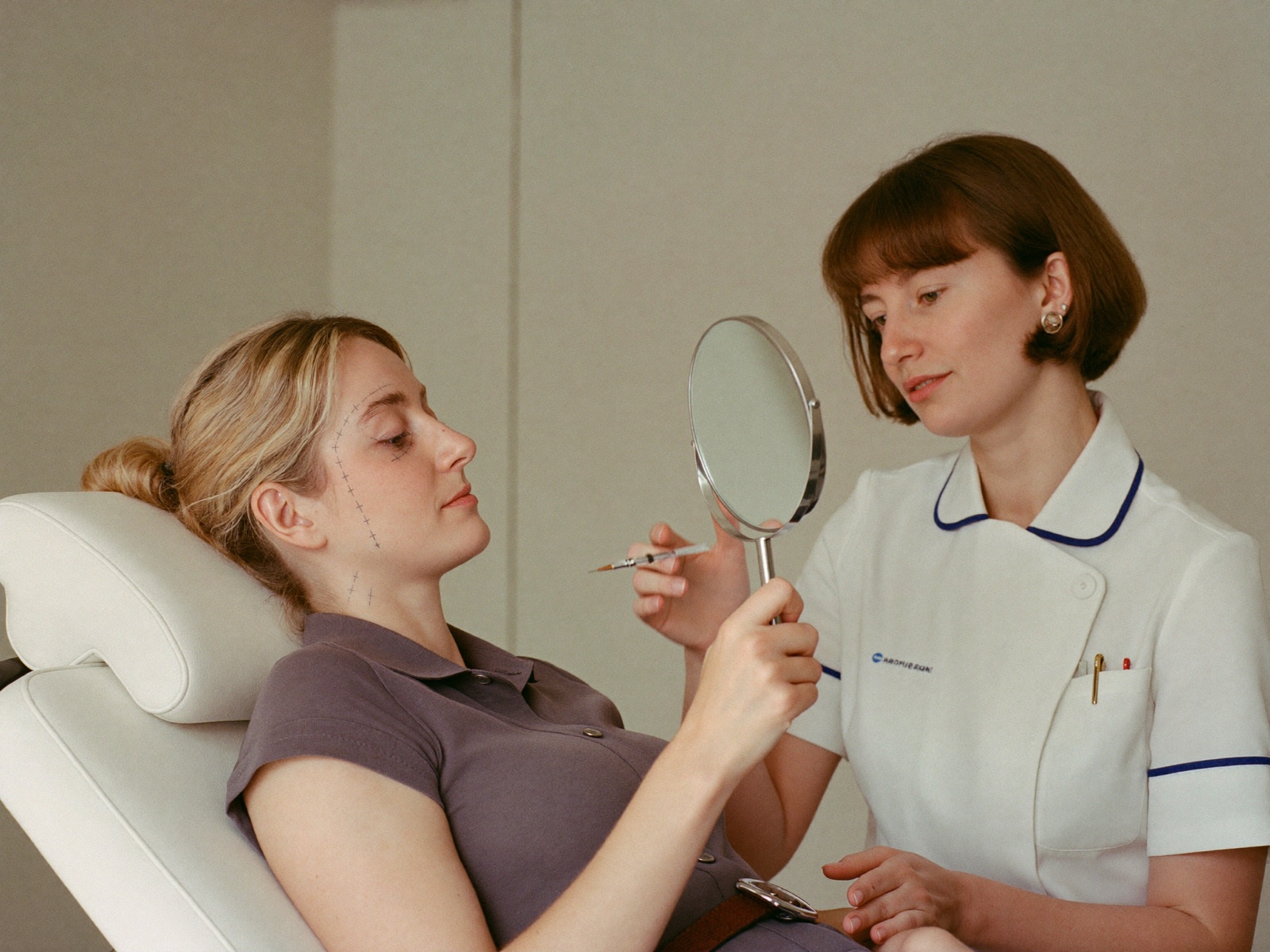
At Boulder Skin Bar that assessment is done by Brittany Guerrero, BSN, RN, our Lead Injector. She trained first in emergency medicine and has spent more than four years on aesthetic injectables, and she came to it through art, which is why she talks about proportion and restraint rather than about syringes. Facial balancing is the work she is known for.
Choosing Who Injects You
Ask who is treating you, what their training in facial anatomy is, and what their plan is if a complication ever arises. A good consultation also reviews your allergies, any previous filler or surgery, and anything that has changed suddenly. Anyone who rushes that conversation is telling you something useful.
Starting Small on Purpose
Overcorrection is the common failure, and it is harder to undo than to avoid. So a plan here starts with less than you might expect and reassesses a few weeks later, which means you watch the change arrive gradually and stay in control of how far it goes. Balance that reads as natural to other people is the goal.
FAQs
It is the use of small amounts of filler and Botox to improve the proportions of your face rather than to change the kind of face you have. Filler replaces volume where there is less of it; Botox settles a muscle that is working harder on one side. The aim is for people to notice that you look well, not that you look different.
They answer different causes. Filler is for volume, so it suits a cheek, a jawline or an under-eye that has less of it than its opposite. Botox is for movement, so it suits a muscle pulling harder on one side. Where both are happening at once, they are often used together.
No, and that is not the aim. Nobody is symmetrical, and a face forced into it tends to look artificial rather than better. What filler can do is bring the two sides close enough that other people read the face as balanced, which is a different and more achievable thing.
Because asymmetry often has more than one cause. Volume can be missing on one side while a muscle works too hard on the other, and no single treatment reaches both. A plan that uses the two together is built around your own anatomy rather than applied the same way to everyone.
Large differences in the jaw or the bite, and anything to do with how the bone is built, need a surgeon rather than an injector. Weakness or drooping that is neurological needs a medical diagnosis first. Filler works on the soft tissue above all of that; it does not rebuild the structure underneath.
No. Filler and Botox are the best known, but collagen stimulators like Sculptra and Radiesse also restore volume, and they do it gradually by prompting your own collagen rather than only filling a space. PRP and PRF are injected from your own blood, so they stimulate collagen and soften hollows with nothing synthetic involved. SKINVIVE improves the smoothness and hydration of the skin itself. Which one suits you depends on whether the cause is volume, movement or structure, and that is what the consultation establishes.