Published Apr 24, 2026
5 minute read
Laser treatments are becoming a popular choice for improving skin texture, reducing scars, and addressing signs of aging. Still, one concern often comes up before booking an appointment. People want to know what the experience actually feels like. If you have been exploring advanced skincare treatments, this question is likely part of your decision process.
Understanding whether laser resurfacing hurts, which can help you feel more confident and prepared. For a broader laser skin resurfacing overview, it’s helpful to understand both the benefits and sensations involved. At Boulder Skin Bar, treatments are designed to be both effective and manageable. Knowing what to expect in terms of sensation, comfort, and recovery makes the entire process easier to approach.
Why Pain Is A Common Concern
Any treatment involving the skin naturally raises questions about discomfort. Many people assume that because laser resurfacing works deeper than basic facials, it must be painful. This assumption can create hesitation, even for those who are interested in the results.
The reality is that the experience varies depending on the type of laser used, your skin sensitivity, and the treatment area. While there can be some discomfort, it is usually controlled and manageable with proper preparation and technique.
Does Laser Resurfacing Hurt?
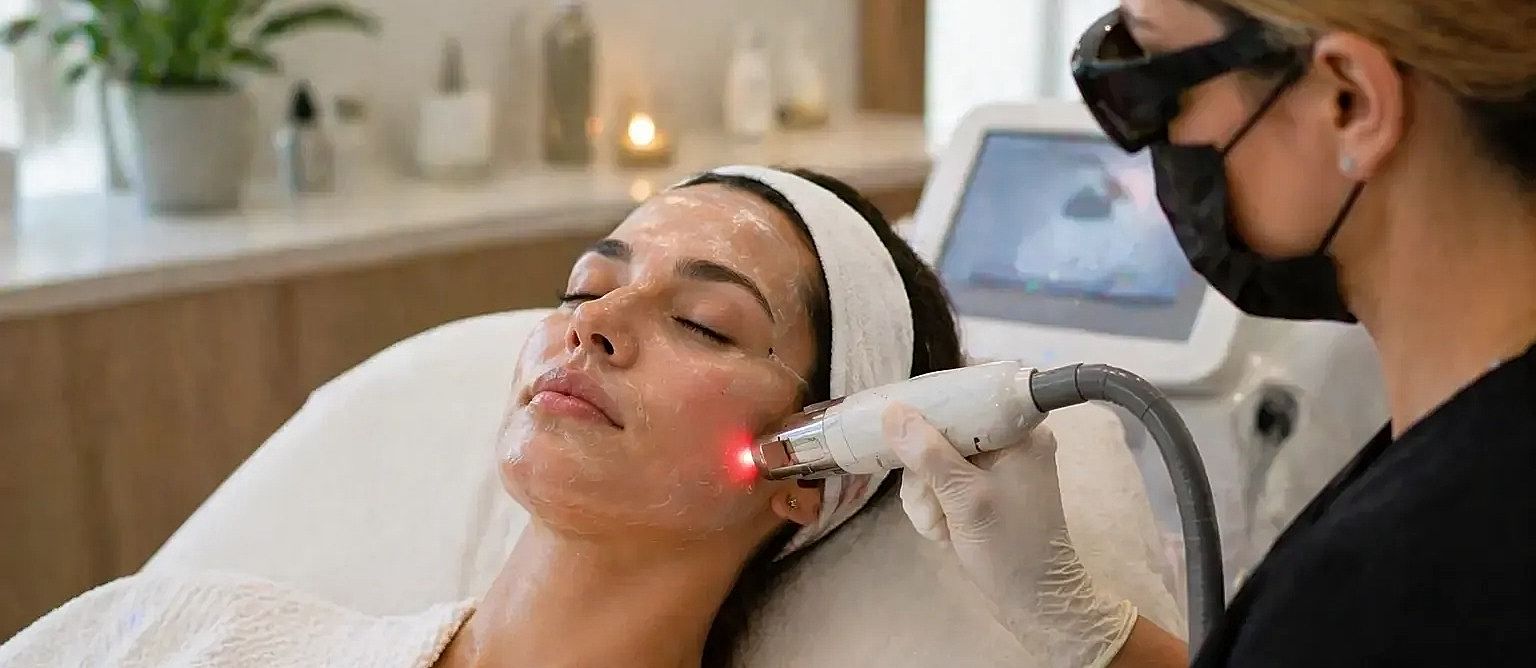
The answer depends on the type of laser treatment and individual tolerance. Most people describe the sensation as a mild stinging or warm feeling on the skin. It is not typically described as intense pain, especially with modern techniques.
Non-ablative treatments tend to feel more comfortable, while ablative lasers may involve a stronger sensation. However, both types are performed with measures in place to keep the experience as comfortable as possible. The goal is always to balance effectiveness with comfort.
Pain Levels By Treatment Type
Different laser treatments come with different levels of sensation. Understanding this can help set realistic expectations before your appointment.
- Non-Ablative Lasers: Mild warmth or tingling sensation with minimal discomfort during the session
- Fractional Lasers: Slightly more noticeable heat, often described as a snapping feeling on the skin
- Ablative Lasers: Stronger sensation due to deeper treatment, but managed with numbing methods
- Spot Treatments: Usually quick with minimal discomfort depending on the area treated
- Full Face Treatments: May feel more intense but are carefully managed for comfort
Numbing Options To Improve Comfort
To reduce discomfort, numbing options are commonly used before the procedure. A topical numbing cream is applied to the skin before treatment, which significantly lowers sensation during the session.
In some cases, cooling devices or techniques are used alongside the laser to further improve comfort. These methods help ensure that the treatment remains manageable even for individuals with lower pain tolerance. Proper preparation makes a noticeable difference in the overall experience.
What Does The Skin Feel Like After Treatment?
After laser resurfacing, the skin may feel warm, similar to a mild sunburn. This sensation is temporary and usually settles within a few hours to a couple of days depending on the treatment type.
Redness and slight sensitivity are also common during the initial recovery phase. These effects are part of the natural healing process. As the skin repairs itself, you will begin to notice improvements in texture and tone.
Recovery Experience And Timeline
Recovery varies based on the intensity of the treatment. Non-ablative procedures often involve minimal downtime, allowing most people to return to daily activities quickly. Ablative treatments may require a few days for the skin to heal.
During recovery, the skin may feel tight or slightly dry. Following proper aftercare helps manage these effects and supports better results. Consistency during this phase plays a key role in how the skin responds to treatment.
Tips To Reduce Discomfort And Support Healing
Taking simple steps before and after your treatment can make the experience more comfortable and improve your results.
- Follow all pre-treatment instructions provided by your provider
- Avoid sun exposure before and after the procedure
- Keep your skin hydrated and use gentle skincare products
- Do not pick or touch treated areas during healing
- Stay consistent with aftercare recommendations
Factors That Affect Pain Tolerance
Pain perception varies from person to person. Factors such as skin sensitivity, treatment area, and previous experience with skincare procedures can all influence how the treatment feels.
Some areas of the face may feel more sensitive than others. For example, areas around the eyes or lips may have slightly higher sensitivity compared to the cheeks. Understanding these differences helps set realistic expectations.
Why Professional Care Makes A Difference
The experience of laser resurfacing depends heavily on the provider’s expertise. Proper technique, correct settings, and personalized treatment planning all contribute to both comfort and results.
At Boulder Skin Bar, treatments are customized based on your skin type and comfort level. This ensures that the procedure is not only effective but also as comfortable as possible throughout the process.
Is Laser Resurfacing Worth It Despite The Discomfort?
For most individuals, the level of discomfort is manageable and temporary, especially when compared to the results. Improvements in skin texture, tone, and overall appearance often make the treatment worthwhile.
When expectations are clear and the procedure is performed correctly, the benefits outweigh the temporary discomfort. Many clients find that the results justify the short recovery period and mild sensations experienced during treatment.
Conclusion
Understanding does laser resurfacing hurt helps you approach the treatment with realistic expectations. While there may be some discomfort, it is usually controlled and manageable with proper preparation and professional care.
At Boulder Skin Bar, the focus is on delivering effective treatments while keeping your comfort in mind. To learn more about your options, visit our about us page or contact us to schedule your consultation and take the next step with confidence.
FAQs
Laser resurfacing may cause mild discomfort, often described as a warm or stinging sensation. With numbing creams and proper techniques, most people find the treatment manageable and not overly painful.
Post-treatment discomfort usually feels like a mild sunburn and can last from a few hours to a couple of days. The intensity depends on the type of laser used and your skin sensitivity.
Yes, numbing creams are highly effective and commonly used before treatment. They significantly reduce sensation during the procedure, making the experience more comfortable for most individuals.
Recovery is generally not painful but may involve redness, tightness, or mild sensitivity. These effects are temporary and improve as the skin heals over the following days.
Yes, following pre-treatment instructions, staying relaxed during the session, and choosing an experienced provider can help reduce discomfort and improve the overall experience.