Published Aug 16, 2026
6 minute read

At a glance
Stop aspirin, ibuprofen, fish oil, and vitamin E seven to ten days before your appointment to limit bruising. Tell your injector about any recent illness, vaccination, or dental work. Book at least two weeks ahead of an event — six to eight for a wedding. Arrive with clean skin, having eaten, with a list of your medications.
Most of what determines how your dermal filler result looks — and how quickly you look like yourself again — is decided before the needle comes out. Preparation is not complicated, but it is time-sensitive, and a few of these steps matter more in Boulder, where the air is dry and the sun is strong, than they would at sea level: the single most useful step needs seven to ten days of lead time, and the most common regret we hear is about booking too close to an event.
Why Should You Stop Certain Medications Before Filler?
Blood-thinning medications and supplements make needle punctures bleed and bruise more. Pausing them for seven to ten days lets normal clotting return, and it is the one preparation step that changes the visible outcome most.
What to Pause
- Over-the-counter pain relievers — aspirin, ibuprofen, naproxen.
- Supplements — fish oil, vitamin E, ginkgo biloba, high-dose garlic.
- Prescription blood thinners — warfarin and similar. Never stop these on your own. Ask the physician who prescribed them, and tell your injector either way.
What Is Still Fine
Acetaminophen (Tylenol) does not affect clotting and is safe in the run-up to your appointment. Resume anything you paused about 24 hours afterward, or later if you bruised — your post-treatment instructions will give you the specific timing.
What Should You Tell Your Injector Before Treatment?
Recent illness, vaccination, or dental work can all prime your immune system, and an activated immune system is occasionally what turns a routine filler appointment into swelling or nodules weeks later. None of these rule you out. They change the timing.
- Illness in the last two to four weeks — viral or bacterial. Say so; we may suggest waiting until you are fully recovered.
- Recent or upcoming vaccination — two to four weeks of spacing on either side is the usual guidance.
- Dental work — cleanings included. Dental procedures put bacteria into the bloodstream briefly; leave about two weeks either side.
- Previous filler — what, where, when, and who placed it, even years ago.
The American Med Spa Association's summary of FDA guidance flags all three of these as worth raising before treatment. Tell us anyway, even if it seems unrelated — the Boulder Skin Bar team would rather move your date than manage a reaction.
How Far Before an Event Should You Book?
Two weeks is the floor, not the target. For a wedding or anything photographed, book six to eight weeks out — that is what gives you room for a refinement appointment and for that refinement to settle.
| When | Where you will be |
|---|---|
| Days 1-3 | Most swelling, especially in lips. |
| Days 4-7 | Clear improvement for most people. |
| Day 14 | The large majority look completely normal. |
| Weeks 3-4 | Filler has settled and softened. Evaluate now. |
| Weeks 6-8 | Room for a refinement and its recovery. Book here for events. |
Work backward from the date. Treat at six to eight weeks, review at three to four once swelling has cleared, refine if needed, and you still have weeks in hand. Book at two weeks and a touch-up becomes impossible to fit.
Complimentary Consultation
Not sure how far ahead to book? That is exactly what a consultation is for.
Book Your Appointment Call (303) 901-1867What Should You Do the Day of Your Appointment?
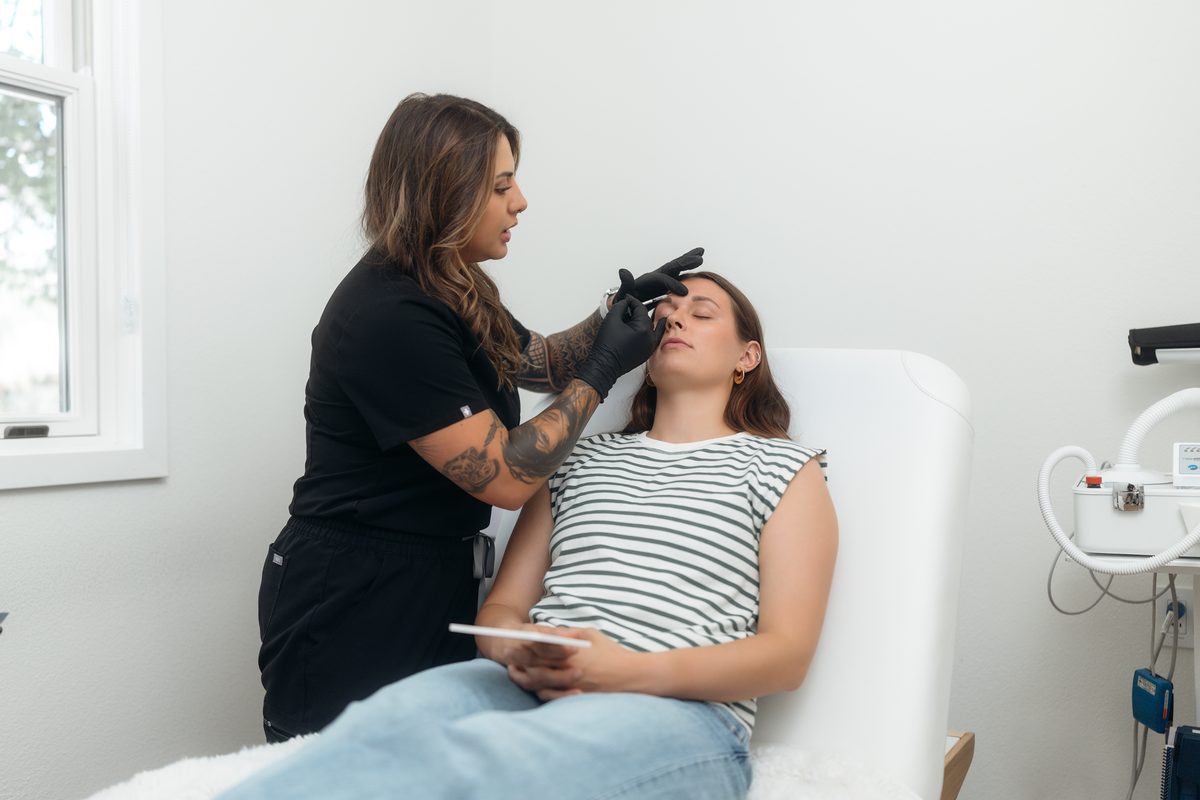
Arrive with clean skin, having eaten, with a list of what you take. Keep the rest of the day calm — no hard workout, no alcohol.
- No makeup, moisturizer, or sunscreen on the treatment areas.
- Pause retinol two to three days beforehand.
- No waxing, threading, or peels in the week before.
- Eat something. Food steadies blood sugar and makes the lightheaded response far less likely.
- Bring your list — prescriptions, over-the-counter, vitamins, supplements, and anything you paused.
Does Preparation Change by Treatment Area?
The core preparation is identical everywhere on the face. What changes is how much buffer you should leave.
How Do You Prepare for Lip Filler?
Same preparation, more buffer. Lips are highly vascular and swell the most visibly of any area, so leave extra time before an event and expect days one to three to look unlike the result. If you get cold sores, say so before you book — lip injections can trigger an outbreak, and preventive antiviral medication is worth discussing. The blood-thinner pause matters here as much as anywhere.
Under-eye and tear trough is delicate and bruises easily, so the blood-thinner pause matters most here. Sleeping slightly elevated the night before helps with baseline puffiness.
Cheeks and jawline sit in denser tissue and generally recover faster with less visible aftermath. Our injectables and fillers page covers which areas we treat.
What Should You Ask at Your Consultation?
A consultation is where candidacy and expectations get settled. Good questions are welcome — hesitation to answer them is the signal to go elsewhere.
- Which product do you recommend for my goals, and why that one?
- How often do you treat this specific area?
- Needle or cannula here, and what makes that the right choice?
- What does a realistic result look like for my anatomy?
- What is your protocol if something goes wrong, and do you keep hyaluronidase on hand?
That last one is not pessimism. Asking it is responsible, and any practice worth choosing will have a clear answer. At Boulder Skin Bar the consultation is where this conversation happens, before anything is scheduled.
Ready When You Are
Pause the blood thinners, tell us everything, and give yourself more runway than you think you need. Preparation is the part of this you control, and it is genuinely most of the difference between a good experience and an anxious one.
Questions before you book? Request a consultation or call us at (303) 901-1867. If you have already booked, our dermal filler aftercare instructions cover the two days that follow, and how long dermal fillers last covers the longer view. Still deciding? Compare Botox and dermal fillers, or read about Botox in Boulder.
Source
American Med Spa Association — FDA Updates Recommendations on Dermal Fillers for Patient Safety. This article is educational and is not a substitute for a consultation with a licensed provider.
FAQs
Two weeks is the absolute minimum before any event and is not what we would recommend before a wedding. Six to eight weeks is the better standard: it lets swelling clear fully, gives the filler time to settle, and leaves room for a refinement appointment and its recovery before the date.
Pause aspirin, ibuprofen, naproxen, fish oil, vitamin E, ginkgo biloba, and high-dose garlic seven to ten days beforehand. Acetaminophen is fine throughout. Never stop a prescription blood thinner without asking the physician who prescribed it.
Dental procedures briefly introduce bacteria into the bloodstream, which can trigger an inflammatory response around filler. Most injectors leave about two weeks on either side. Mention any dental work, including routine cleanings, when you book.
Yes. Alcohol dilates blood vessels and increases bruising, so skip it for at least 24 hours beforehand. Staying well hydrated in the days before helps too, particularly in Boulder's dry air.
The preparation is the same, but lips swell more visibly than other areas, so leave extra buffer before any event. If you are prone to cold sores, tell your injector — filler injections can trigger an outbreak and preventive antiviral medication may be recommended.