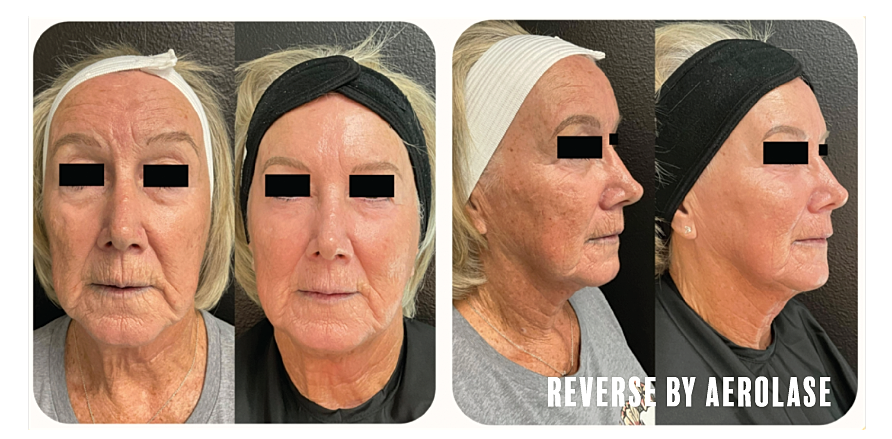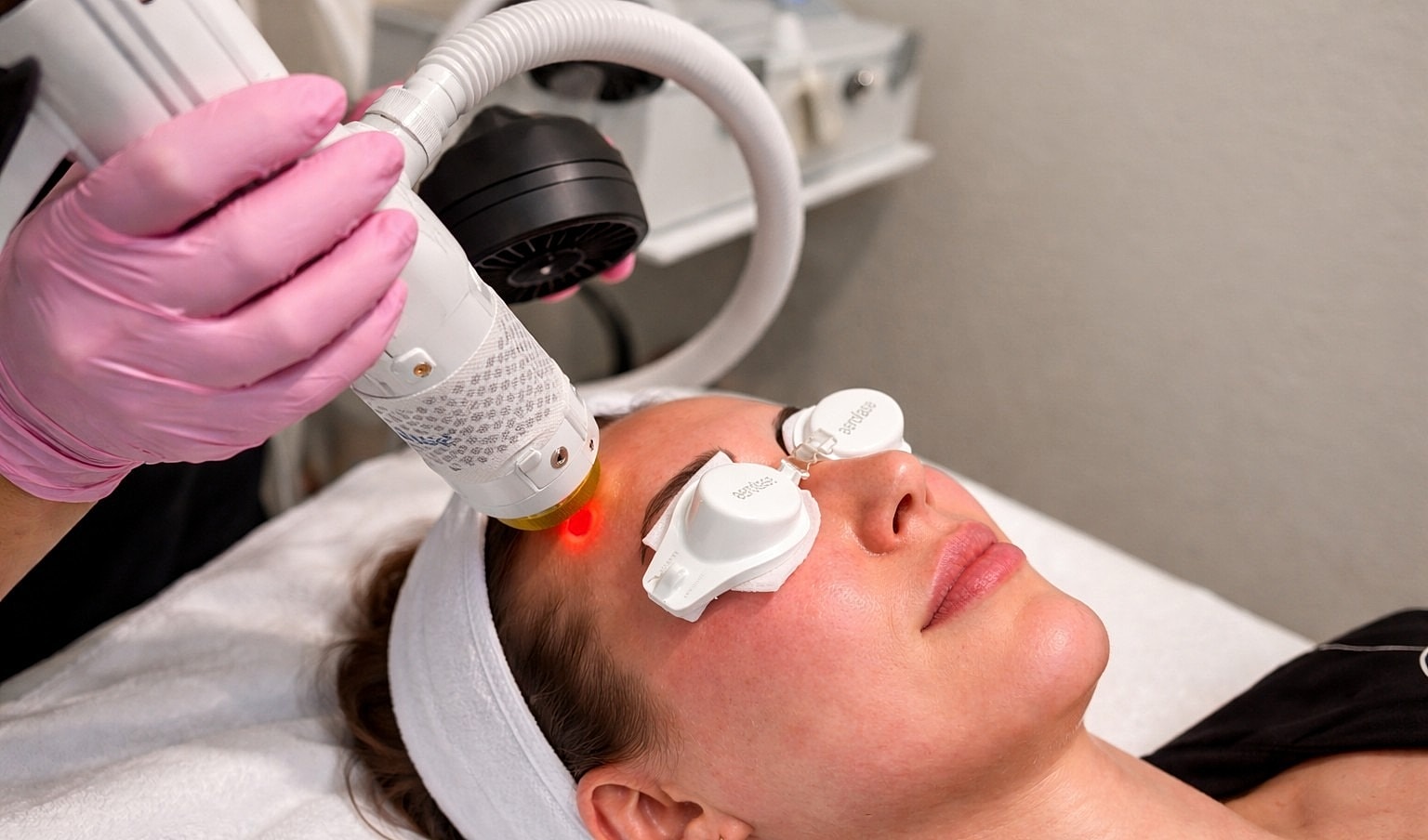
Melasma is a chronic hyperpigmentation disorder characterized by symmetrical brown or gray-brown patches on the face, typically triggered by hormones and sunlight. When determining what laser treatment is best for melasma, the most effective option is a 650-microsecond neodymium-yag laser, such as Aerolase. This specific non-ablative laser technology is preferred because it delivers energy deep into the dermis to break up excess melanin production without overheating the skin's surface, which significantly reduces the risk of rebound pigmentation. Unlike traditional resurfacing, this approach provides a safe way to address deep-seated pigment while supporting overall skin health.
“Choosing the right melanin-targeting wavelength is critical for safe and effective treatment,” says a licensed skin specialist.
Melasma is notoriously difficult to manage because the pigment-producing cells, or melanocytes, are hyper-reactive. Unlike standard sunspots, melasma is often tied to internal factors, making it a complex condition that requires more than just surface-level exfoliation. Many patients in Boulder, USA, struggle with UV-triggered pigmentation that worsens during the summer months despite heavy sunscreen use. Because the condition is heat-sensitive, the wrong type of light therapy can actually darken the patches, leading to post-inflammatory hyperpigmentation. Understanding the nuances of different laser platforms is the first step toward achieving a clear, even complexion.
When comparing options, the Aerolase laser technology stands out as a gold standard for treating sensitive pigment. Traditional fractional lasers often rely on high heat to create micro-injuries in the skin. While this works for anti-aging, the thermal profile can be too aggressive for melasma.
The best approach involves a combination treatment approach that includes:
For those seeking comprehensive results, the Aerolase era laser treatment offers a refined way to refresh the skin texture, while the Neo Elite handles the deep pigment. This dual approach ensures both surface clarity and deep dermal remodeling.
Laser treatment safety is the primary concern for anyone dealing with melasma triggered by pregnancy, birth control, or thyroid imbalances. In the past, many practitioners avoided lasers for these patients due to the risk of "rebound" darkening. However, modern Laser Treatment Services Boulder has shifted the paradigm.
By using a non-ablative laser technology, we can target the melanin without damaging the epidermis. This makes it safer for those with active hormonal triggers. However, it is essential to pair the treatment with a topical inhibitor to manage the internal drive of the pigment. Consulting with an expert at Boulder Skin Bar allows for a customized plan that accounts for your specific hormonal history and skin type.
Melasma is a chronic condition, meaning it requires long-term management rather than a one-time fix. Once the initial patches are cleared, recurrence prevention becomes the priority. Maintenance usually involves:
Following specific laser aftercare skin tips, such as avoiding high heat from saunas or hot yoga immediately after a session, is also vital for preserving your results.
The cost of treating melasma varies based on the severity of the pigment and the number of sessions required. Because melasma often requires a series of treatments rather than a single "aggressive" session, many patients opt for packages. Factors influencing the price include:
While it may be tempting to look for the cheapest option, melasma requires specialized expertise. Choosing a provider based on their understanding of the causes of hyperpigmentation is more important than the price tag alone to avoid costly complications.
If you are looking for the best treatment for uneven skin tone, a holistic strategy is required. While lasers do the heavy lifting by breaking down existing dark spots, collagen stimulation helps to thicken the dermis and improve light reflection on the skin surface.
For patients in Boulder, USA, professional pigmentation care often involves alternating between laser therapy and soothing facials that reinforce the skin barrier. This ensures that the skin remains resilient against environmental stressors while the melanin-targeting wavelength works to unify the complexion.
Choosing the right technology is the difference between clearing your skin and making the pigment worse. While traditional lasers may be too aggressive for sensitive melasma patches, modern non-ablative laser technology offers a safe, effective path toward a clearer complexion. If you are struggling with stubborn dark spots, a professional evaluation is the best way to determine which protocol will work for your unique skin type and lifestyle.
To begin your journey toward lasting results, you can request a consultation with our specialists to discuss your goals. For any general inquiries, feel free to contact us directly. If you are ready to start your journey today, you may book now at our Boulder clinic to experience the gold standard in skin care. Our experts will help you decide exactly what laser treatment is best for melasma on your skin.
The Aerolase Neo is widely considered the best laser for melasma on the face. Its 650-microsecond technology delivers energy so quickly that it does not have time to overheat the skin. This allows it to break up pigment safely without the high risk of rebound darkening associated with older laser types.
No laser can permanently "cure" melasma because the condition is often driven by internal hormones and genetics. However, it can effectively clear current visible patches. Long-term maintenance, including strict sun protection and topical inhibitors, is required to prevent the pigment from returning over time.
For most melasma patients, Aerolase is safer than traditional fractional lasers. Fractional lasers often generate significant heat and inflammation, which can trigger more pigment in melasma-prone skin. Aerolase provides the necessary energy to clear spots without the excessive heat, making it a much lower risk.
Yes, melasma can return if the skin is triggered by UV exposure, heat, or hormonal changes. This is why practitioners emphasize a "management" mindset. Using high-quality SPF and attending maintenance sessions are the best ways to keep the skin clear after your initial laser series.
Most patients require a series of 4 to 6 sessions to see significant clearing. Because the treatment must be gentle to avoid triggering more pigment, results are cumulative. You will typically see a gradual lightening of the patches with each subsequent visit to the clinic.
Many lasers are risky for darker skin (Fitzpatrick types IV-VI), but the Aerolase is a notable exception. Its pulse duration is shorter than the thermal relaxation time of the skin, meaning it targets the pigment without burning the surrounding tissue, making it safe for all ethnicities.
The safest laser for hormonal melasma is a non-ablative, short-pulse Nd: YAG laser like the Aerolase Neo. It bypasses the surface of the skin to target the dermal pigment, avoiding the inflammation that typically causes hormonal melasma to flare up or darken after treatmen
Laser is generally more effective at breaking up deep, stubborn pigment clusters. Microneedling is excellent for overall texture and helping topical lighteners penetrate deeper. Many providers recommend a combination of both to address both the pigment and the structural health of the skin.