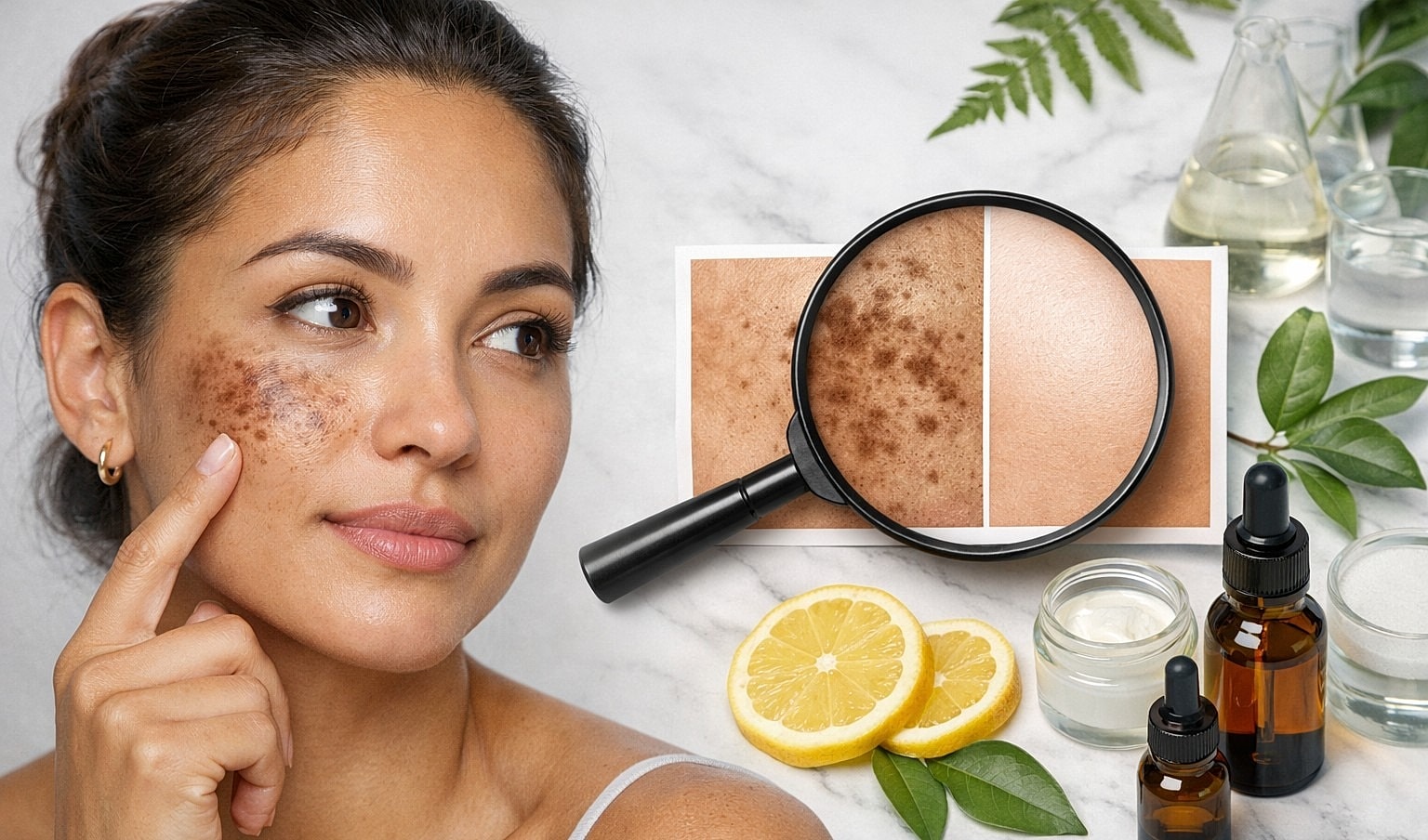
Hyperpigmentation appears when patches of skin look darker than the surrounding tone. It occurs as melanocytes create an excess of melanin, the brown pigment that colors our skin. If you’re noticing dark spots or uneven tone, you may wonder what the cause of hyperpigmentation in your case. Most often, it stems from inflammation or cellular injury that triggers the body to overproduce pigment as a protective response. This can surface as sunspots, melasma, or marks that linger after breakouts. For tailored care and improved clarity, consider a professional plan that may include Microneedling Treatment Boulder, daily sunscreen, and gentle brightening actives.
"Excessive pigment is the skin's biological response to stress, whether that stress comes from UV radiation, hormonal shifts, or physical injury."
Addressing dark spots on skin through professional treatments offers significant advantages for those dealing with long-term skin discoloration. In high-altitude environments like Boulder, USA, the sun is particularly intense, leading to faster pigment accumulation and chronic sun damage. Professional intervention helps with sun damage repair by breaking down clustered melanin that topical creams cannot reach. These treatments also encourage collagen stimulation, which improves the overall health of the dermal layer. By focusing on skin tone improvement, patients see a visible reduction in the muddy appearance of the skin, resulting in a clearer and more youthful complexion.
There are several technologies used to treat pigmentation disorders and improve skin health. At Boulder Skin Bar, specialists select the technology based on the depth of the pigment.
Ablative Laser Treatment: This method removes the thin outer layer of skin. It is highly effective for deep acne scar reduction and severe texture issues. It involves a period of downtime and recovery as the skin regrows.
Non-ablative Laser: This type stays below the surface to stimulate dermal remodeling without wounding the top layer. It is a popular choice for those who want to avoid visible redness and peeling.
Fractional Laser Technology: This approach treats small sections of the skin while leaving surrounding tissue intact. This triggers a faster healing response and is excellent for smoothing uneven skin texture.
While many people try over-the-counter brighteners to manage melanin production, these often fail to reach the deeper layers where the pigment lives. Chemical peels use acids to exfoliate the surface, but a laser skin treatment service in Boulder uses light energy to target the source of the discoloration. This precision makes lasers more effective for stubborn melasma causes, such as a hormonal imbalance or oxidative stress. Unlike generic facials, laser therapy creates a controlled micro-injury that forces the skin to replace damaged cells with healthy, evenly pigmented tissue.
Safety depends on the specific device and the expertise of the provider. While some older lasers carried risks for deeper skin tones, modern technology has made hyperpigmentation treatment accessible for almost everyone. It is important to use specific wavelengths that do not overheat the skin surface, as excessive heat can actually trigger post-inflammatory hyperpigmentation. A professional assessment ensures that the treatment plan respects your unique skin chemistry while effectively targeting an uneven skin tone caused by skin trauma or excessive UV radiation.
Understanding the causes of your skin concerns is the first step toward a solution. Whether you are dealing with sun damage or age spots, modern technology provides a path to a more confident version of yourself.
If you are ready to address your skin concerns, book now or contact us to begin your journey. The team at Boulder Skin Bar is here to provide expert care and personalized treatment plans for your unique skin needs.
This treatment is used to correct skin imperfections like dark spots, fine lines, and acne scarring. It works by sending light energy into the skin to break up excess melanin and boost protein production. This results in a smoother surface and a more uniform color across the treated area.
Results can last for years if you maintain a strict sun protection routine. While the laser removes existing dark spots, new spots can form if the skin is not protected from UV radiation. Regular maintenance and professional skincare treatments help preserve the clarity and brightness of your results.
Most patients notice a warm tingling or light snapping during the Best Skin Rejuvenation Treatment. It is typically well-tolerated and rarely needs general anesthesia. Providers may use cooling air or numbing gels to keep skin comfortable. The sensation fades quickly once the laser session is complete.
Most people require between three and six sessions to see full results. The number of treatments depends on how deep the pigment is and how your skin responds to the light energy. Your specialist will create a schedule that allows your skin to heal between appointments.
Recovery depends on the intensity of the laser. Non-ablative treatments may have one day of mild redness. More intense resurfacing might result in a few days of peeling. Most patients return to their normal activities within a week while following specific post-care instructions for hydration.
Yes, it is safe when using the correct equipment. Specific lasers are designed to target pigment deep in the skin without affecting the surface layer. This prevents the risk of further skin discoloration. It is crucial to work with an experienced technician for these treatments.
Laser resurfacing uses one focused wavelength to treat specific skin layers with high precision. IPL uses a broad spectrum of light and is better for surface-level redness or light brown spots. Lasers are typically more effective for big structural changes and significant scarring.
The cost varies based on the size of the area and the number of sessions needed. Generally, prices range from a few hundred to over a thousand dollars per session. To get an exact price for your needs, you should request a consultation for an evaluation.