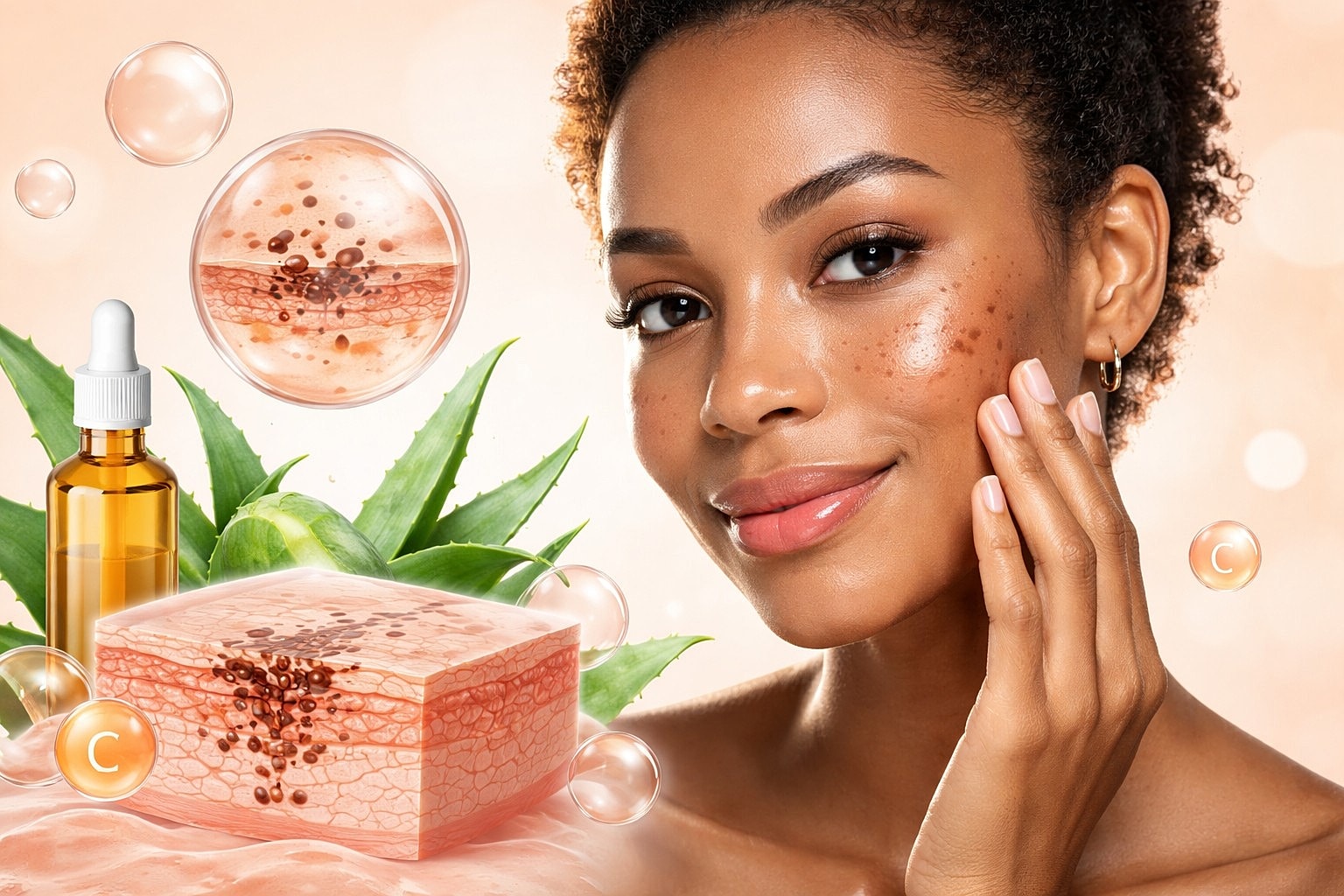
What is hyperpigmentation? It is a common skin disorder that causes some areas of the skin to appear darker than the rest. It happens when the skin pigment, known as melanin, becomes excessive due to certain causes like sun exposure, acne, inflammation, or even hormonal variations. These dark spots can be formed gradually, and sometimes they increase with time.
If you’re wondering why hyperpigmentation develops on the skin, it is mainly due to triggers like UV exposure, inflammation, and hormonal imbalances that overstimulate melanin production.
Although hyperpigmentation is not dangerous, it may influence the beauty and self-confidence. People try an over-the-counter treatment, but these remedies do not offer much support, particularly with the persistent dark spots such as sun spots, age spots, or post-acne spots. The reason behind that pigmentation may appear under the skin layer, and so it may not fade easily without professional guidance.
Treatment of hyperpigmentation is only possible when the cause is understood.
So, professional hyperpigmentation treatment and medical-grade skincare are used to assist in maintaining an even and healthy-looking complexion.
Excess melanin does not just happen, and there are several facial hyperpigmentation and environmental signs that signal the skin to overproduce pigment:
Exposure to the Sun: Sun spots and age spots are the main factors that are triggered by UV rays.
Inflammation: This is called post-inflammatory hyperpigmentation (PIH), which develops following skin trauma (acne or eczema).
Hormonal Changes: Hormone changes generally occur during pregnancy as well as with birth-control pills, which can trigger skin pigmentation disorders.
Melanocyte Activity: When external or internal stress occurs, the melanocytes become overactive and secrete a lot of melanin.
To better manage dark spots, it is essential to understand the common causes of skin pigmentation and how each factor affects melanin production.
Melasma is a type of hyperpigmentation, but the two are different because of certain causes. Hyperpigmentation is the general term that indicates the darkening of the skin. What is melasma? Melasma, on the other hand, is specifically attributed to hormonal effects and appears in symmetrical areas over the forehead, on the cheeks, or upper lip. As compared to normal sun spots, melasma might be more difficult to treat as it is mostly influenced by internal biological factors rather than external sun damage. Knowing the difference between melasma and hyperpigmentation helps in selecting targeted treatments and setting realistic expectations for results.
Understanding how melasma is different from general hyperpigmentation helps patients choose the right treatment approach, since melasma often requires hormone-focused management along with sun protection and professional therapies.
Treatment is done professionally to enhance uneven skin tone and maintain skin health. At Boulder Skin Bar, we do not use a general solution, but tailor the specific treatment based on skin issues, history, and objectives.
Advanced Facials: Medical-grade skincare for pigmentation helps to promote skin renewal, brighten, and enhance skin clarity in the long-term.
Aerolase Laser: Aerolase laser treatment is a non-invasive procedure that is not harmful and can be performed safely, targeting excess melanin without burning the surrounding skin.
Medical-Grade Skincare: Prescription-based skincare products will assist in controlling the pigment production and limit the chance of new dark spots.
Because uneven pigmentation can have a lasting confidence impact, combined, these hyperpigmentation treatment options provide an efficient method of hyperpigmentation control and boost confidence as well.
Modern laser skin treatments are quite effective when they are performed by qualified specialists. Skin tone considerations play an important role in selecting the right laser, especially when it comes to skin tones. Certain lasers, like the Aerolase Neo Elite, are formulated to be safe for various skin types. They do not require a lot of heat, and this can reduce the risk of irritation, inflammation, and the development of new dark spots after treatment. For detail learn about the laser resurfacing process.
Treatment depends on the early signs and the practice of long-term care to prevent dark spots. The major prevention measures involve:
• Sun protection daily: The use of a broad-spectrum sunscreen helps to avoid pigment recurrence
• Light skin care practices: Do not over-exfoliate the skin, therefore causing inflammation
• Maintenance care: Continuous professional treatments are used to control the activity of melanin
• Timely intervention: Quickly treat acne, irritation, and hormonal activity
Prevention is a significant factor in maintaining smooth and clear skin with age. And also learn in detail what treatment for Hyperpigmentation is Good.
A professional evaluation is required to determine temporary vs persistent pigmentation, which is essential when over-the-counter products do not work or when the right treatment approach is needed. A specialist can provide effective, safe, and comprehensive treatments, clarify the distinction between temporary and permanent pigmentation, and create individual medical aesthetic programs. The early treatment typically has a better outcome, as it assists in clearing up the confusion and improving skin clarity and health.
It is important to know what makes the skin dark and what can be the first step towards attaining an even complexion. Whether it is acne scar, sun damage, or hormonal melasma, the best approach is to contact a professional who can suggest special treatment with no side effects.
So start the journey toward clear and even skin. Request a Consultation or Book Now with professionals in Boulder Skin Bar. To resolve users’ confusion about what hyperpigmentation is and how it can be safely treated, you may Contact Us or visit Boulder, USA, and find out more about our professional approach to hyperpigmentation.
Hyperpigmentation is a general term for any darkened skin area caused by excess melanin. Melasma is a specific type of hyperpigmentation caused primarily by hormonal changes and sun exposure.
The most effective treatments include professional chemical peels, medical-grade topical agents, and advanced laser skin treatment like the Aerolase Neo Elite. These methods work by exfoliating darkened cells, promoting skin rejuvenation.
Right consultation is recommended when dark spots are persistent, widespread, or causing distress. Professional evaluation signals include spots that change in appearance or those that do not respond to standard over-the-counter maintenance care.
Sun exposure invariably causes facial hyperpigmentation by leading to the production of melanin. The other significant conditions are hormonal changes resulting in melasma and acne-induced inflammation, which is referred to as post-inflammatory hyperpigmentation.
Sun exposure is a leading cause of skin darkening. UV rays stimulate melanocytes to produce more melanin as a defense mechanism, which can darken existing spots and create new ones.
Some forms, like post-inflammatory hyperpigmentation from a minor blemish, may be hard to fade over months as skin renews. So, deep pigmentation, sun spots, and melasma need professional treatment.