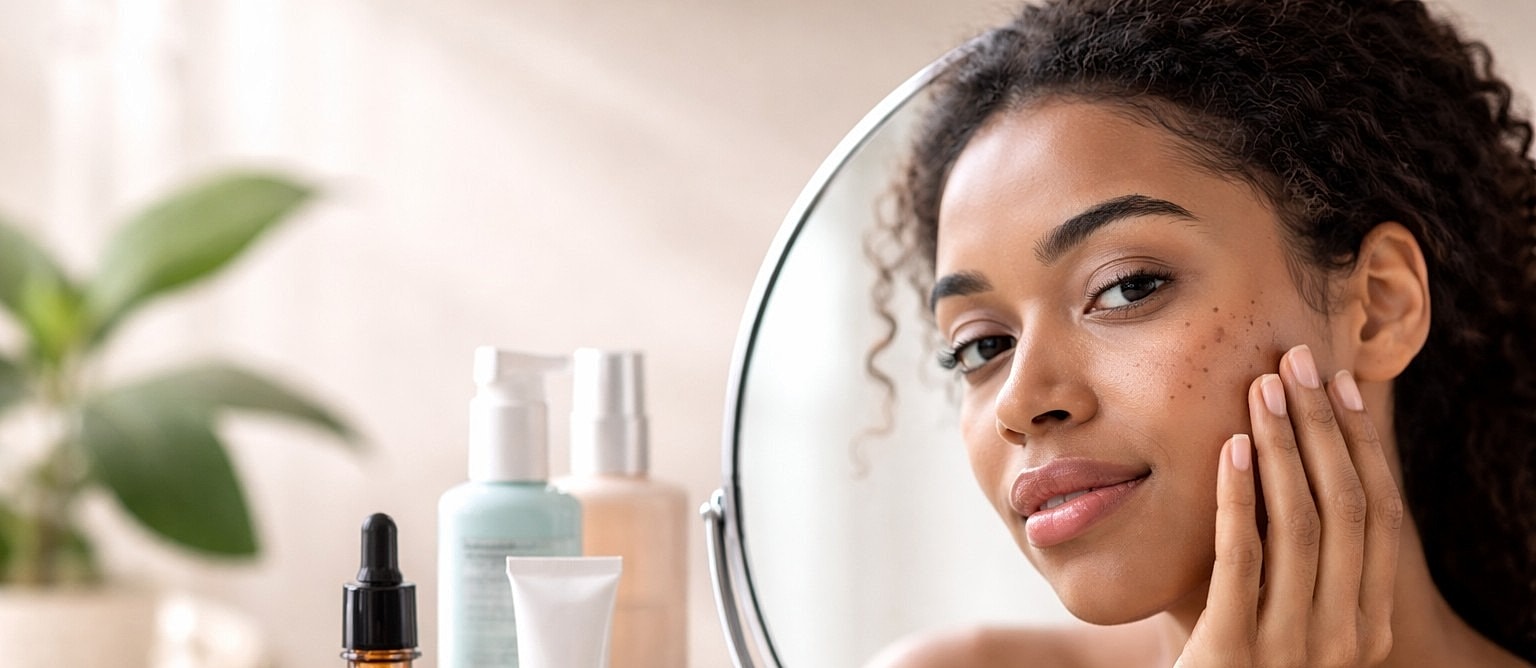
Do you have dark spots and patchy skin coverage? This is commonly known as hyperpigmentation. This is a common skin disorder that is caused by the excessive accumulation of melanin in certain areas of the skin and is the result of acne scars, sun exposure, inflammation, hormonal variation, or pregnancy. When searching for what is good for hyperpigmentation, it may be difficult to identify products that actually work due to the numerous varieties of products and views available.
Effective hyperpigmentation management requires a dual approach of prevention that is carried out through daily habits and the following specific, evidence-based treatment (depending on the type of pigmentation).
This blog post explains the underlying cause of an excessive production of melanin and provides evidence-based topical management and professional treatment that provides quantifiable results, from prevention to advanced treatment.
Hyperpigmentation is a condition of the skin where dark spots appear on the skin as a result of high production of melanin. Melanin is synthesized by the melanocytes or special cells when it is stimulated by an inflammatory response, UV radiation, or even a change in hormones.
Whereas hyperpigmentation is not typically regarded as a serious medical situation, it may reduce self-esteem significantly and is often caused by the accumulation of skin damage. The issue of pigmentation goes beyond cosmetic concerns; the treatment of it leads to the overall health of the skin in the long run and prevents its irreversible discoloration.
Common types include:
To get more about pigmentation type, you may explore a Detailed overview Hyperpigmentations guide
Awareness of triggers is key to successful and effective management. Several factors that trigger dark spots and uneven skin tone can increase melanin production and worsen pigmentation if not properly controlled.
Sun Exposure and UV Radiation
The major cause of melanin production is UV radiation. Even the most advanced treatment would not work without protection. So, it is required to apply dermatology-recommended broad-spectrum sunscreen with high SPF for UV ray prevention and long-term control.
Female Hormone Changes and Improper Skincare
Melasma can be caused by hormonal changes due to pregnancy or birth control. Moreover, excessive or harsh skincare products may damage the skin barrier as well as make it more sensitive and pigmented.
Temporary Vs Persistent Pigmentation
The temporary skin spots may disappear once the cause is corrected or eliminated. However, permanent spots do not simply disappear and often require professional evaluation and a specific treatment.
Effective hyperpigmentation treatment depends on well-supported dermatology approaches, laser treatments, regular sun protection, and topical agents that are focused on melanin production, assistance in renewing the skin, and preserving the integrity of the skin barrier. The severity, cause, and type of skin of an individual determine the type of treatment that actually works for hyperpigmentation.
Topical Ingredients
Sun Protection
Professional treatments have more specific and localized pigmentation correction when the sun-protective measures and topical care are insufficient. Proper examination of the skin is required to determine the degree of pigmentation, skin type, and its cause to make sure that there are safe and effective treatment choices.
Chemical Peels
Chemical peels are based on the application of selective chemical agents to remove the already damaged surface skin and assist in healthy cell renewal.
Advanced Facials
In contrast to spa facials, clinical treatments involve medical-strength constituents and specific methods of treating pigmentation, which are safe. For a detailed check, can facial help pigmentation to fade away?
For patients looking to boost skin repair and improve overall tone, PRP injections in Boulder can be combined with microneedling benefits to accelerate healing and support more even pigmentation.
The Aerolase Neo is an aesthetic medical laser that works on all skin types and tones to treat hyperpigmentation, skin rejuvenation and tightening, acne marks, etc.
Laser therapy is one of the most effective options for deeper and persistent pigmentation. Many patients choose an advanced laser skin rejuvenation procedure when topical treatments alone are not sufficient.
It treats the excess melanin in the deeper and outer layers of the skin with a 1064 nm Nd: YAG laser that has a pulse length of 650 microseconds. It does not overheat the skin, and it decreases the irritation and new spots post-treatment. It is safe, effective, and able to work on uneven skin tone, as well as dark spots in most skin types.
The key to managing hyperpigmentation is to understand what triggers it, avoid activities that cause it, and adhere to a definite treatment regimen through research. For anyone looking for what is good for hyperpigmentation, it is the consistency, patience, and application of treatments that are appropriate to your skin type and issue. Using the proper technique, you will notice a definite change in the skin color, and the confidence impact can be observed. Supporting your skin from within is also important, and treatments like biotin injections can help improve overall skin strength and resilience alongside pigmentation therapies.
If you’re considering personalized care, you can Request Consultation, Book Now, or visit the Contact Us page to take the next step toward healthier, more even-toned skin. You may also explore more skin health resources on the Boulder Skin Bar website.
What is the most effective treatment for hyperpigmentation?
There is no single cure for hyperpigmentation, but daily sun protection, good topical medications, and professional treatments, which are appropriate to the skin type and depth of the persistent dark spots, can be the best way to treat them.
Does hyperpigmentation go away completely?
Post-inflammatory hyperpigmentation may be completely reversed when they are well treated. However, melasma is chronic and requires long-term management.
How long does it take to see improvement in hyperpigmentation?
Improvement can be noticed in 6 to 8 weeks, and fading is generally quite time-consuming and takes 3 to 6 months or longer, depending on the depth of the pigmentation and the regularity of treatment. Check the best options used for pigmentation issues.
Is daily sun protection important when treating hyperpigmentation?
Yes. It is necessary to use a broad-spectrum sunscreen with high SPF every day. The UV light can reactivate pigment cells and can reverse the treatment.
When should you see a professional for hyperpigmentation?
Consult a specialist in case of no improvement seen in the spots within three months of over-the-counter therapy, worsening, or becoming widespread.