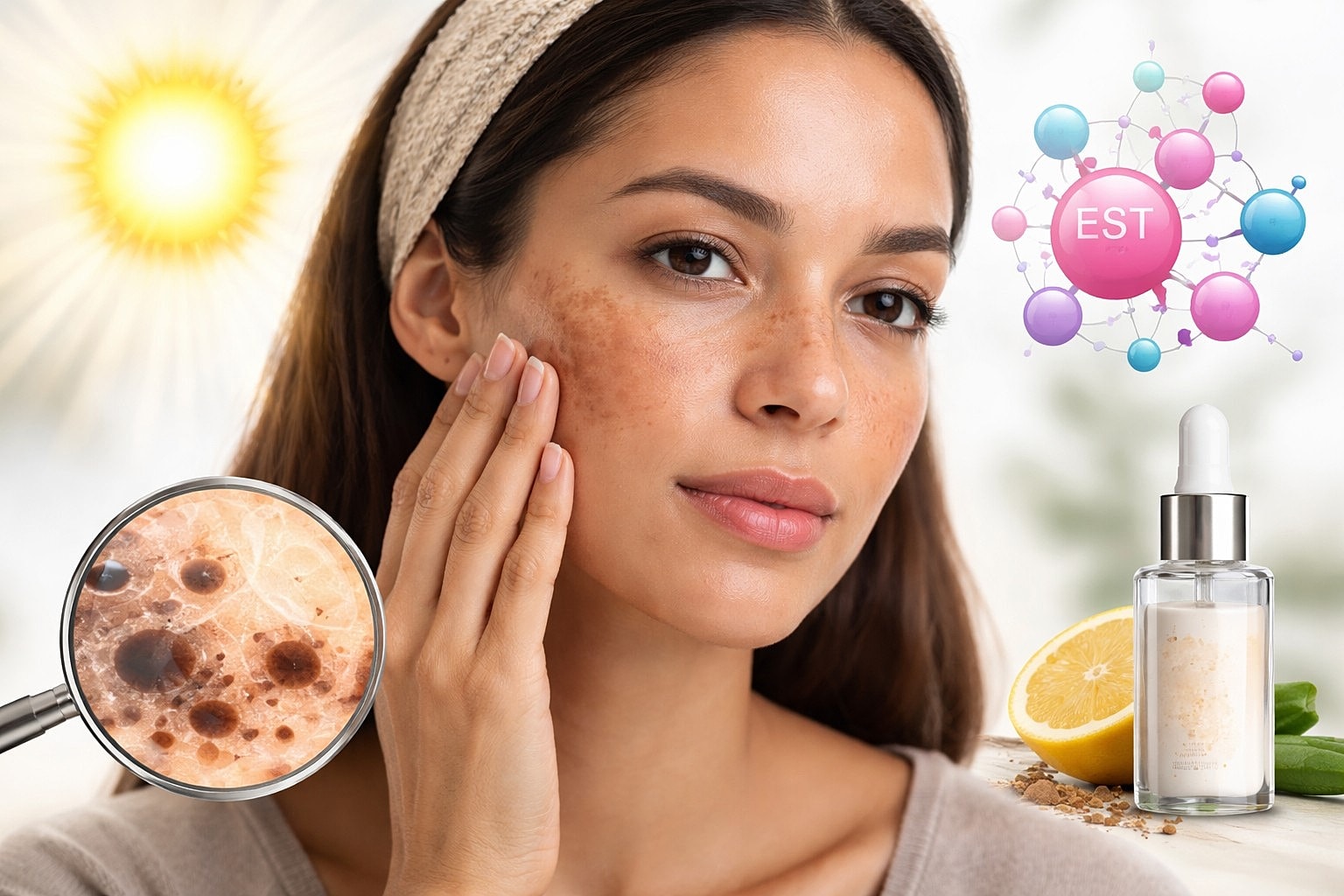
Waking up to symmetrical, brownish patches on your cheeks or forehead can be frustrating, especially when your standard skincare routine doesn't seem to make a dent. If you are noticing these stubborn "shadows," you are likely dealing with a specific form of hyperpigmentation known as melasma. Understanding what causes melasma is the first step toward managing it, as this condition is uniquely driven by a complex interplay of internal biological shifts and external environmental stressors like the intense Colorado sun.
"Melasma is complex because it involves both internal hormones and external triggers like UV exposure."
Melasma is a chronic skin condition characterized by symmetrical, dark brown or grayish patches on the face. It occurs when melanocytes (pigment-producing cells) become overactive. Treatment typically involves a "dual-action" approach: topical inhibitors (like hydroquinone, azelaic acid, or vitamin C) to slow melanin production and professional energy-based treatments like Aerolase Era laser treatment to break down existing pigment. Management is incomplete without a strict, broad-spectrum sunscreen regimen to prevent UV-triggered recurrence.
To understand melasma, we have to look at the melanocytes. In a healthy state, these cells distribute melanin evenly. However, melasma occurs when these cells become hyperactive, leading to localized overproduction of pigment.
Several biological factors contribute to this process:
Hormones are the most significant internal "on switch" for melasma. This is why the condition is frequently nicknamed the "mask of pregnancy."
The primary culprits are estrogen and progesterone. When levels of these hormones fluctuate, such as during pregnancy or while taking birth control pills, they stimulate the melanocytes to produce more pigment. Additionally, thyroid dysfunction has been linked to melasma flares, suggesting that any systemic endocrine hormonal imbalance can manifest on the skin’s surface. When these internal signals are active, even a few minutes of light exposure can lead to a visible darkening of the skin.
The short answer is yes, and often excessively. While hormones might prime the skin for pigment, UV radiation is the fuel that keeps the fire burning.
When UV rays hit the skin, they cause skin barrier damage and trigger immediate melanin production. However, it isn't just the sun; visible light exposure (including blue light from screens) and heat can also worsen the condition. This is why chronic sun damage often presents alongside melasma. Without physical or chemical blockers to stop the radiation, any topical treatment or laser treatment services Boulder residents use will be significantly less effective.
The connection between the mind and the skin is more than just anecdotal. When you experience high levels of stress, your body releases cortisol, a hormone that can trigger an inflammatory response throughout the body.
Elevated cortisol levels can exacerbate hormonal imbalances, which in turn weaken the skin barrier. This oxidative stress makes the skin more vulnerable to external triggers. If your skin is constantly in a state of "high alert" due to internal stress, your melanocytes are much more likely to overproduce pigment in a defensive, albeit patchy, manner.
Living in Boulder, Colorado, offers a beautiful outdoor lifestyle, but the geography presents a specific challenge for those prone to hyperpigmentation.
As altitude increases, the atmosphere becomes thinner, providing less filtration for UV radiation. In Boulder, UV intensity is significantly higher than at sea level. Furthermore, our snowy winters create a "double exposure" effect, where UV rays reflect off the snow and hit the skin from multiple angles.
Because of this year-round exposure, local residents often find that their melasma never truly "cools off" in the winter. At Boulder Skin Bar, we specialize in helping clients navigate these high-altitude challenges. As a professional provider, Boulder Skin Bar focuses on restoring the skin barrier while addressing the underlying cause of hyperpigmentation through advanced, gentle modalities.
Melasma is a complex puzzle where hormones, sun exposure, and inflammation all play a role. For those of us living in the high-altitude climate of the Rockies, being proactive isn't just a suggestion; it is a necessity. Whether you are dealing with the difference between melasma and hyperpigmentation or seeking professional care, an expert evaluation is the most effective path forward.
Our team is here to help you develop a customized plan to brighten your complexion. Book Now or Request a Consultation today to speak with an expert at Boulder Skin Bar, or contact us to learn more about what causes melasma.
Yes, stress triggers the release of cortisol, which can disrupt your hormonal balance and increase inflammation. This internal "stress environment" makes melanocytes more reactive, potentially leading to a flare-up or worsening of existing pigment patches through increased oxidative stress.
During pregnancy, levels of estrogen and progesterone skyrocket. These hormones directly stimulate melanocytes, leading to the "mask of pregnancy." While it often fades after delivery, the underlying sensitivity to sun and hormones usually remains long-term.
In cases triggered by pregnancy or birth control, melasma may fade once the hormonal trigger is removed. However, for many, it is a chronic condition that requires ongoing management, sun protection, and professional intervention to keep it from returning.
Yes. Oral contraceptives alter your body’s hormonal landscape, specifically estrogen levels. This can mimic the hormonal state of pregnancy, signaling your skin to produce excess melanin even if you are being diligent with your sun protection.
Melasma is generally considered a chronic condition, meaning it can be managed and cleared, but the "memory" of the pigment remains. With the right treatments, such as learn about laser skin rejuvenation, you can achieve significant clearance, but maintenance is key.
Colorado’s high altitude means higher UV intensity and more frequent "clear sky" days. This constant bombardment of UV radiation, combined with reflected light from snow, keeps melanocytes in a constant state of overactivity compared to sea-level climates.
The most common triggers are heat, UV exposure, hormonal shifts (like those during a dental or menstrual cycle), and aggressive skin treatments that cause excessive inflammation. Identifying your specific triggers is essential for long-term skin clarity and prevention.