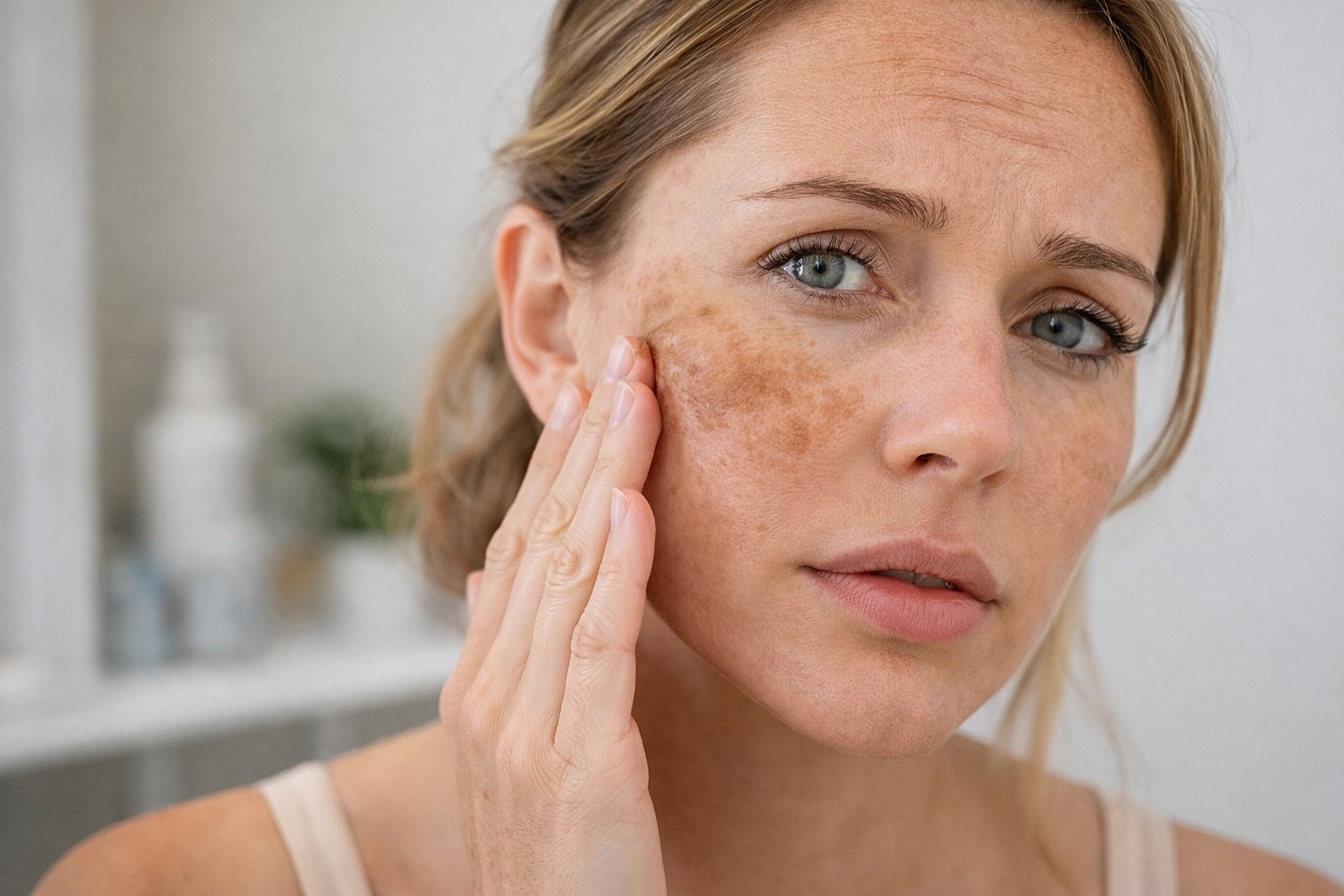
If you have ever noticed dark patches or small brown spots appearing on your face or hands, you are likely dealing with a very common skin concern. Many patients ask their provider exactly what is hyperpigmentation caused by and why these marks seem to appear out of nowhere. Simply put, hyperpigmentation is the result of melanin overproduction, where the skin produces too much pigment in concentrated areas. This process is often a defensive response to various forms of skin damage, leading to an uneven skin tone that can be difficult to cover with makeup alone.
Hyperpigmentation occurs when excess melanin builds up in certain areas of the skin due to triggers like sun exposure, hormonal shifts, or inflammation.
Hyperpigmentation is a broad term that covers several different pigmentation disorders. It occurs when specialized cells called melanocytes become overactive. While some people are genetically predisposed to these conditions, most cases are triggered by external factors that disrupt the skin's natural balance. When the skin perceives a threat, such as heat, friction, or chemicals, it produces melanin to protect the underlying structures.
Understanding the depth of the pigment is also crucial for treatment. Epidermal pigmentation sits near the surface and is typically easier to treat with topical solutions. In contrast, dermal pigmentation resides deeper in the skin layers and often requires professional intervention to reach the source of the discoloration.
The most frequent culprit behind dark spots on skin is chronic sun exposure. When your skin is hit by sunlight, it is actually experiencing UV radiation damage. This radiation penetrates the skin and triggers the melanocytes to produce melanin as a form of biological sunscreen.
Over time, this repeated exposure leads to sun spots on face and neck areas, often called solar lentigines. Unlike a tan that fades, these spots represent localized areas where the pigment has become "stuck" due to long-term sun damage. This process is a direct result of the skin attempting to shield itself from further DNA damage caused by the sun.
Consistent UV exposure also leads to skin barrier damage. A compromised barrier allows moisture to escape and irritants to enter more easily. This state of constant skin inflammation further encourages the skin to produce more pigment, creating a cycle that is hard to break without professional help.
While the sun is a major factor, internal changes play a massive role as well. Melasma pigmentation is a specific type of hyperpigmentation often triggered by shifts in estrogen and progesterone. This is why it is frequently seen during pregnancy or while taking hormonal birth control.
Hormonal fluctuations make the melanocytes hypersensitive. Even a tiny amount of heat or light can cause significant patches of pigment to appear, usually on the forehead, cheeks, or upper lip. Managing this condition often requires dermatologist-approved treatments for melasma because the pigment is notoriously stubborn and prone to returning if the underlying triggers are not managed.
Another common internal/external hybrid is post-inflammatory hyperpigmentation (PIH). This occurs after an injury to the skin, such as a burn, a scrape, or a breakout. If you have ever had a pimple leave a dark mark that lasts for months after the blemish is gone, you have experienced PIH. The inflammatory response signals the pigment cells to rush to the site of the "wound," leaving a lasting shadow.
When at-home serums fail to provide results, professional dermatology skin treatments offer a more targeted approach. These treatments work by speeding up skin cell turnover, allowing the pigmented cells to be shed and replaced by fresh, clear tissue.
Modern technology has made it much safer to treat pigment without damaging the surrounding skin. For instance, Laser Treatment Services Boulder providers offer options that target the melanin directly. You might explore laser treatment options for melasma pigmentation on face, which use specific wavelengths to break up deep pigment.
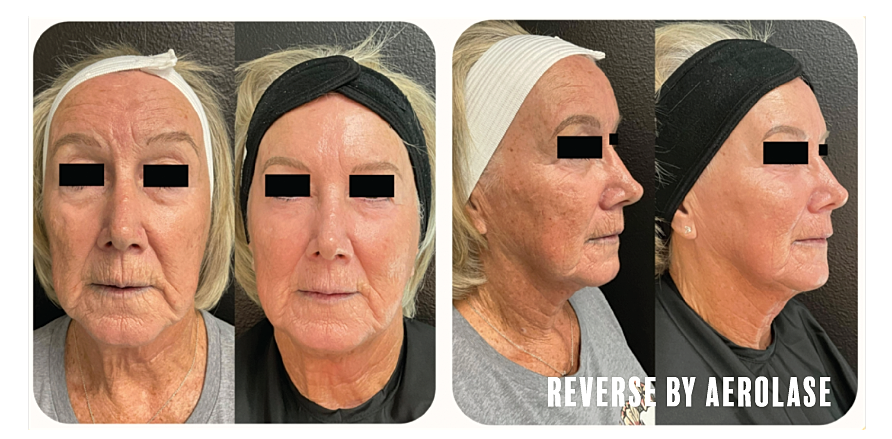
For those in Boulder, USA, seeking high-end results, Boulder Skin Bar utilizes advanced tools like the Aerolase system. Understanding how the Aerolase laser improves skin tone and pigmentation can help you decide if light-based therapy is right for you. For significant texture and tone issues, an Aerolase Era laser treatment provides deep resurfacing to clear away years of damage.
Another powerful tool is the use of microneedling treatments for improving uneven skin tone. This process creates micro-injuries that trigger collagen remodeling. As the skin heals, it reorganizes the pigment and strengthens the dermal layer.
To ensure the best results, always follow expert aftercare tips after laser skin treatments or microneedling treatment in Boulder to prevent new spots from forming during the healing phase.
Understanding the triggers behind your skin concerns is the first step toward achieving a clear, luminous complexion. Whether your issues stem from years of enjoying the Colorado sun or shifting hormones, there is a path to restoration. Professional treatments can effectively address melanin overproduction and repair the visible signs of UV radiation damage to give you back your confidence.
If you are tired of hiding dark spots under layers of concealer, it is time to seek an expert opinion. You can request a consultation to receive a personalized skin analysis or book now to begin your journey toward an even complexion. For any additional questions about our services, please contact us today. Our team is ready to help you discover exactly what hyperpigmentation is caused by.
Yes, chronic sun exposure can cause permanent changes in how your melanocytes function. While the spots themselves can often be faded with professional treatments, the underlying damage to the skin cells remains. This means the spots may return quickly if you do not use daily sun protection.
Hormones like estrogen can stimulate the overproduction of melanin when the skin is exposed to even mild sunlight or heat. This creates "melanocyte hyperactivity," where the cells produce pigment much faster than usual. It is very common during pregnancy or when using hormonal medications.
Any trauma that causes skin inflammation can lead to PIH. This includes acne, eczema flares, bug bites, or even aggressive chemical peels. The inflammation disrupts the basal layer of the skin, causing pigment to leak and become trapped in the deeper dermal layers.
Acne is a primary cause of post-inflammatory hyperpigmentation. Even if you do not pick at the blemish, the internal inflammation can leave a dark mark. These marks are not scars but rather a "pigment shadow" that can take months or years to fade without treatment.
In some cases, such as mild PIH from a minor breakout, the spots may fade as your skin naturally renews itself. However, deeper issues like melasma or sun damage rarely disappear without intervention because the "blueprint" of the damaged cell continues to produce excess pigment.
Professional treatments like chemical peels, laser therapy, and microneedling are the fastest ways to see results. These procedures increase skin cell turnover, forcing the pigmented cells to move to the surface and flake away much faster than the natural thirty-day cycle.
Modern lasers and peels are designed to target the pigment without overheating the skin. High-quality devices allow the practitioner to bypass the surface and treat the source of the melanin. This precision prevents the "rebound" pigmentation that sometimes occurs with less advanced, aggressive treatments.