If you have been looking into ways to refresh your complexion, you have likely asked yourself: Is laser skin rejuvenation safe? The short answer is yes, this cosmetic dermatology procedure is generally safe and highly effective when performed by a qualified professional using advanced, FDA-cleared technology. Modern lasers are designed to target specific skin concerns like sun damage or fine lines while leaving the surrounding tissue untouched, which significantly reduces the risk of complications. By understanding the technology and following proper protocols, you can achieve remarkable skin texture improvement without compromising the health of your skin.
"Laser skin rejuvenation is generally safe when performed by trained professionals using medical-grade laser technology."
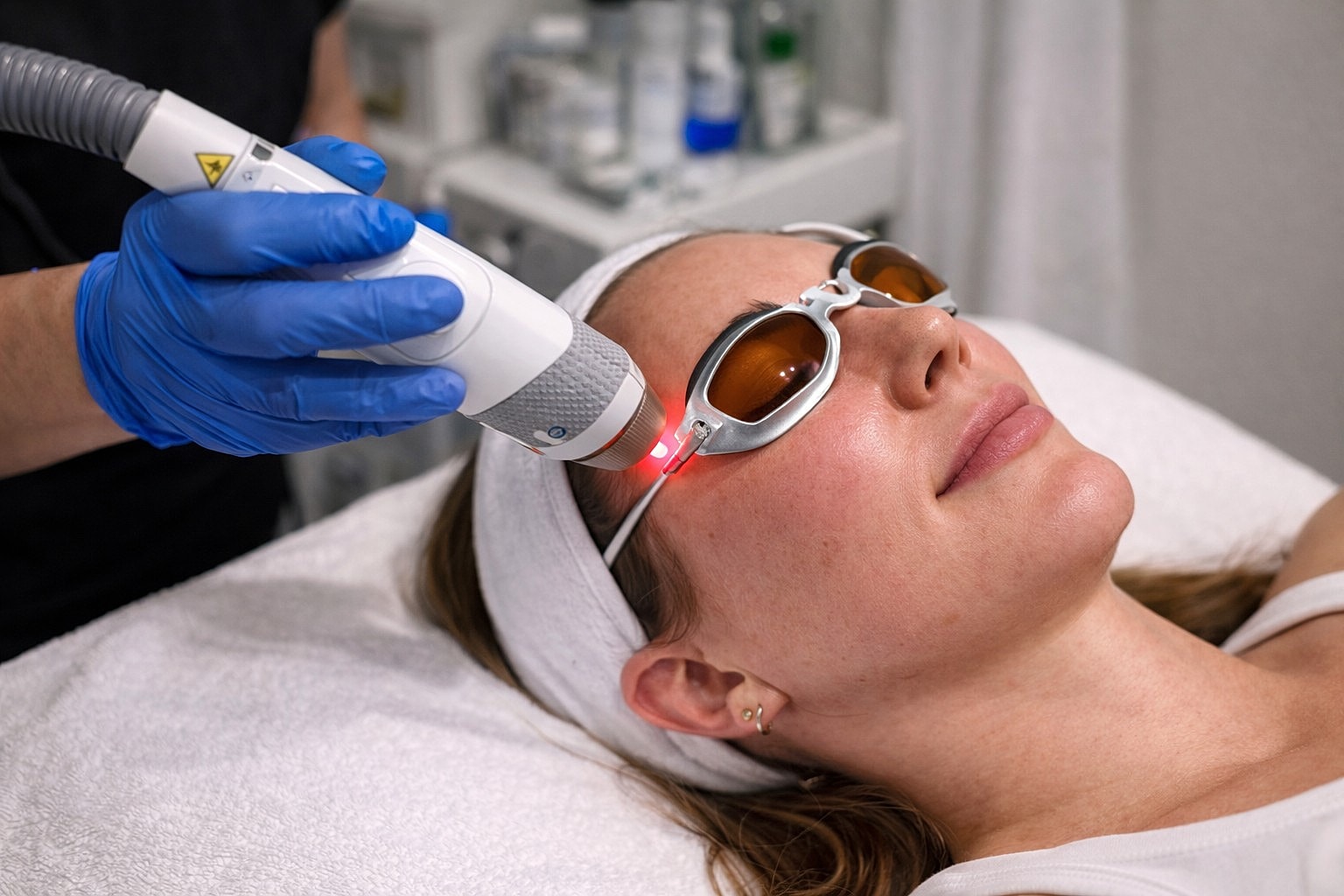
To understand laser skin therapy safety, it is helpful to know what is happening beneath the surface. Laser resurfacing uses concentrated beams of light to create controlled micro-injuries in the skin. This process triggers a natural healing response, known as skin collagen stimulation, which replaces old, damaged cells with fresh, healthy tissue.
The level of intensity depends on the type of device used. An ablative laser removes the thin outer layer of skin (epidermis) and heats the underlying skin (dermis). While this provides dramatic results for acne scar treatment, it requires more downtime. Conversely, a non-ablative laser treatment does not remove any skin layers. Instead, it passes through the surface to stimulate collagen, making it a popular minimal-downtime skin treatment.
Many modern clinics utilize fractional laser technology. This approach treats only a fraction of the skin's surface at a time, leaving "bridges" of untouched skin to speed up the healing process. This innovation has revolutionized laser facial rejuvenation, making it much safer than the aggressive lasers used decades ago.
Historically, laser treatments were risky for those with deeper complexions due to the risk of hyperpigmentation. However, advancements in medical aesthetic laser devices have changed the landscape.
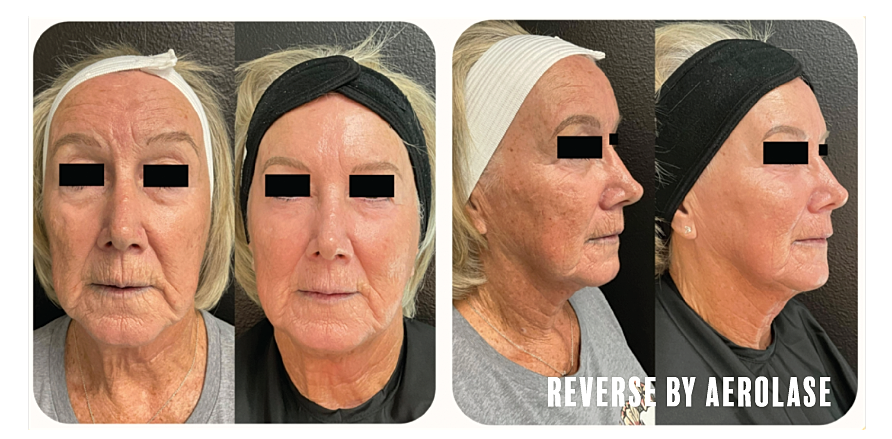
Today, specialized tools like the Aerolase laser skin rejuvenation treatment utilize a 650-microsecond pulse duration. This technology is so fast that it doesn't overheat the melanin in the skin, making it a safe hyperpigmentation treatment for all Fitzpatrick skin types. Whether you are seeking laser treatment for melasma or general sun damage repair, the safety profile has never been higher for diverse skin tones.
The most significant factor in your safety is the person operating the device. A dermatologist's laser treatment ensures that your skin is properly analyzed before the first pulse of light is delivered.
At Boulder Skin Bar, the process begins with a thorough consultation to check for underlying conditions or medications that might affect photosensitivity. Safety protocols include:
By choosing professional laser treatment services in Boulder, you are prioritizing clinical expertise over "bargain" deals that might use substandard equipment.
When safety is prioritized, the skin rejuvenation treatments' advantages are impressive. Most patients notice an immediate "glow" that continues to improve over several months as new collagen matures.
The total laser skin rejuvenation cost is often seen as a high-value investment because the results are long-lasting and treat multiple issues simultaneously. For those in Boulder, USA, seeking high-precision resurfacing, the Aerolase Era laser treatment offers a pathway to refined texture with clinical safety.
Laser technology has come a long way, transforming from an aggressive procedure into a sophisticated, customizable tool for skin health. By combining fractional laser technology with expert medical oversight, you can address everything from sun damage repair to skin tightening treatment with complete peace of mind. The key to success lies in choosing a provider that understands the nuances of your skin and provides clear guidance throughout the healing process.
If you are ready to see the transformative effects of professional skincare, we invite you to request a consultation or contact us to discuss your goals. You can also Book Now to secure your appointment and start your journey toward a clearer, more youthful complexion. At the end of the day, your comfort and confidence are the best indicators that laser skin rejuvenation is safe.
Yes, but it requires a tailored approach. Non-ablative lasers or fractional settings are typically used to prevent overstimulation. A professional will often perform a patch test to see how your sensitive skin reacts to the light energy before proceeding with a full-face session.
While rare, risks include temporary redness, swelling, or minor crusting. In very rare cases, if improper settings are used or aftercare is ignored, there is a risk of scarring or pigment changes. Choosing a reputable clinic and following all safety instructions minimizes these risks significantly.
Healing time depends on the laser type. For a non-ablative treatment, your skin might look slightly pink for 24 to 48 hours. For more intensive ablative resurfacing, the skin may take 5 to 10 days to fully heal and reveal the new, smoother layer underneath.
If performed by an untrained individual or with uncalibrated equipment, damage like burns or permanent scarring is possible. However, medical-grade lasers used by professionals are designed with safety sensors to ensure the energy stays within a safe, therapeutic range for your skin.
It is safe, provided the correct wavelength is used. Lasers like the Aerolase Neo are specifically designed to bypass the surface pigment and target the deeper layers, preventing the "hot spots" that cause hyperpigmentation in darker skin tones.
While some see a difference after one visit, most concerns like deep sun damage or acne scarring require a series of 3 to 5 sessions. These are usually spaced 4 to 6 weeks apart to allow your body time to produce new collagen.
There are no known systemic long-term side effects. The laser energy only penetrates a few millimeters into the skin. The most common "side effect" is actually the long-term benefit of thicker, more resilient skin due to the boost in collagen and elastin production.
All three are safe when used correctly, but lasers offer more precision. A laser can be tuned to an exact depth and temperature, whereas chemical peels rely on a chemical reaction that can be harder to control once applied to the skin.