Melasma is a chronic skin condition characterized by symmetrical, blotchy, brown or gray-brown patches, most commonly appearing on the cheeks, forehead, bridge of the nose, and upper lip. This form of hyperpigmentation occurs when melanocytes, the cells responsible for skin color, produce an overabundance of pigment. Unlike standard sun damage, melasma is often driven by a combination of genetic predisposition, hormonal fluctuations, and UV exposure. To effectively manage this condition, patients must understand how to treat melasma on the face through a multimodal approach that stabilizes pigment production while repairing the skin barrier protection.
“Melasma requires targeted treatment and consistent sun protection,” says a licensed skin specialist.
Successfully addressing melasma requires a long-term strategy rather than a quick fix. Because the pigment can exist as epidermal melasma (surface level), dermal melasma (deeper level), or a mixed type, professional diagnosis is essential. The gold standard for treatment involves aggressive broad-spectrum SPF usage, topical tyrosinase inhibitors to suppress excess melanin production, and advanced energy-based therapies like non-ablative laser treatments to break down existing patches without triggering heat-induced rebound pigmentation.
Treating melasma is complex because the skin is hyper-reactive. If a treatment is too aggressive, it can cause post-inflammatory hyperpigmentation, making the patches darker. Professionals typically recommend a tiered approach:
Topical Regimens: Ingredients such as hydroquinone, tranexamic acid, azelaic acid, and retinoids help regulate the pigment cycle.
Chemical Peels: Controlled exfoliation helps lift superficial pigment, though caution is required for deeper skin tones.
Microneedling with PRP: This promotes collagen remodeling and improves overall skin texture while helping to disperse pigment clusters.
Strict Photoprotection: Since even minimal UV or HEV (blue light) exposure can trigger a flare-up, physical blockers containing zinc oxide or titanium dioxide are mandatory.
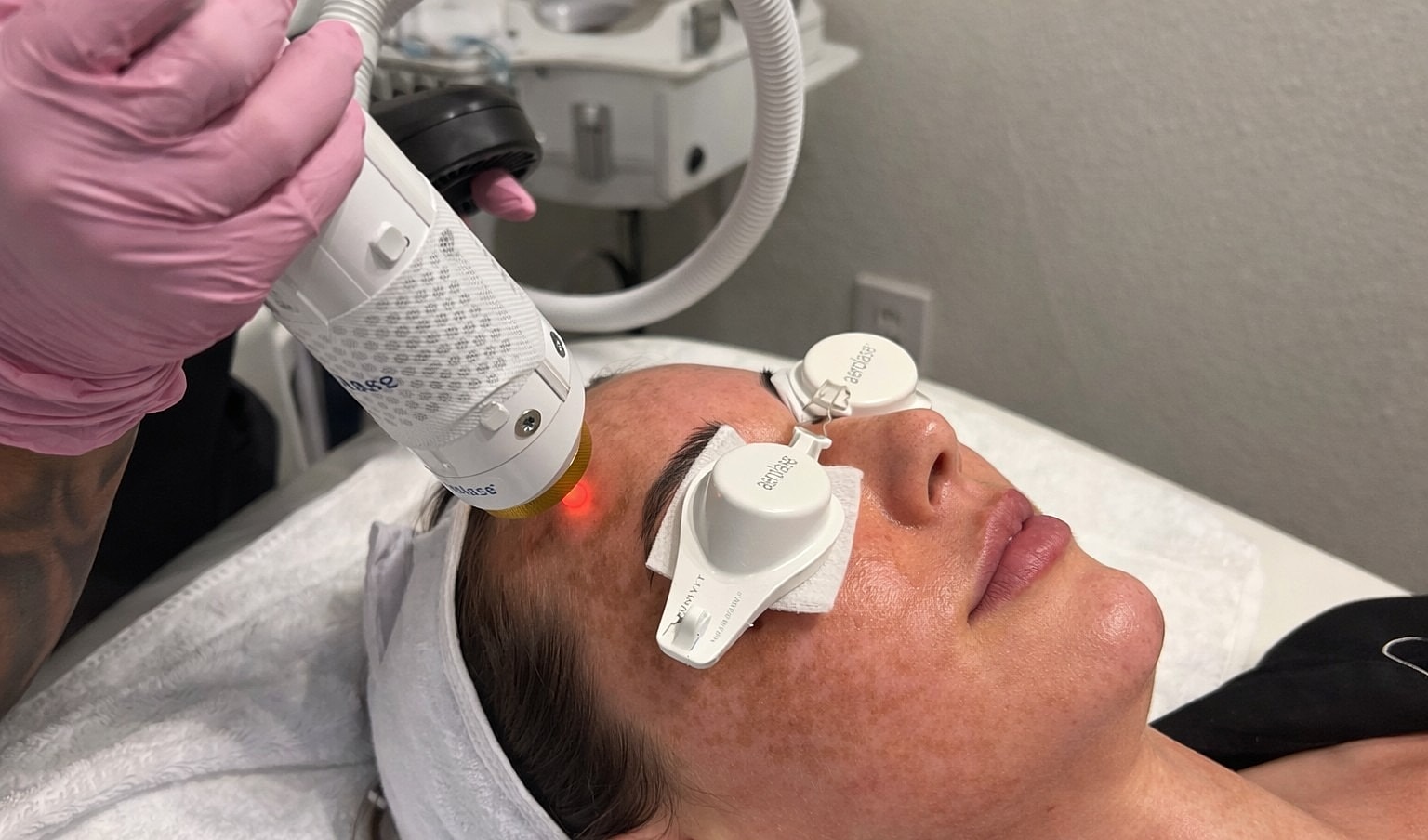
Traditional ablative lasers can sometimes worsen melasma due to high heat. However, modern advancements have introduced options that target pigment with microscopic precision. At Boulder Skin Bar, we utilize specialized technology designed to treat delicate pigmentary issues safely.
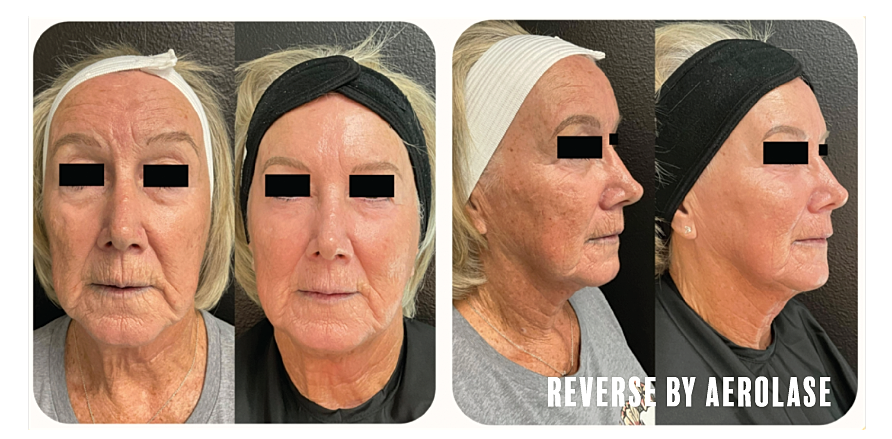
The Aerolase Era laser treatment is a highly effective option for refreshing the skin surface, while the Neo Elite provides a unique 650-microsecond pulse duration. This technology allows for effective treatment without overheating the surrounding tissue, making it a premier choice for those seeking laser treatment services in Boulder. These professional laser services focus on breaking up melanin while stimulating the underlying dermis for a clearer complexion.
UV radiation is the primary external trigger for melasma. When UV rays hit the skin, they stimulate the melanocytes to go into overdrive. This UV-induced pigmentation is often the reason why melasma appears to fade in the winter and darken significantly during a single day in the sun.
Understanding the Causes of Melasma is the first step in prevention. While hormonal pigmentation (often called the "mask of pregnancy") sets the stage, heat and sunlight act as the catalysts. To protect your results after laser resurfacing, you must apply a high-quality broad-spectrum SPF every two hours when outdoors in Boulder, USA.
Self-treating dark spots can be risky, as many over-the-counter products are either too weak to be effective or too harsh, leading to a damaged skin barrier. If your dark patches are persistent, symmetrical, or worsening despite using sunscreen, it is time to consult a professional.
A specialist can determine the primary cause of hyperpigmentation and create a customized plan. Whether you require medical-grade topicals or a series of laser sessions, expert guidance ensures you do not inadvertently worsen the condition. For residents in the Boulder area, Boulder Skin Bar offers comprehensive consultations to diagnose and manage complex pigment issues.
Managing melasma requires a dedicated partnership between you and your skin specialist. By combining advanced laser treatment services in Boulder with medical-grade topicals and rigorous sun protection, you can achieve a clearer, more even skin tone. If you are ready to address your stubborn patches, we invite you to take the next step toward skin health. You can request a consultation to begin exploring tailored options, contact us for guidance and support, or book now to start your personalized treatment plan. Our team is ready to help you develop a comprehensive strategy on how to treat melasma on the face.
The fastest results usually come from a combination of professional chemical peels or non-ablative laser treatments paired with high-potency topical lighteners. Many patients consider this approach the best laser treatment for melasma, as it delivers noticeable improvement when combined with consistent care. While some fading can occur in 4–6 weeks, significant clearance typically requires 3 to 4 months of treatment along with strict sun avoidance and following essential laser aftercare tips to prevent new pigment from forming.
No treatment can guarantee permanent removal because melasma is a chronic condition. While lasers can effectively clear current visible patches, the underlying melanocytes remain hypersensitive. Future hormonal shifts or sun exposure can reactivate these cells, making long-term maintenance and sun protection vital for sustaining your results.
Melasma has a high recurrence rate, especially if the skin is exposed to heat or UV rays without protection. It is often managed rather than "cured." Maintenance therapies, such as periodic laser touch-ups and a robust home skincare vitamin C and antioxidant regimen, are necessary to keep the pigment suppressed.
It is usually a combination of both. Hormones (estrogen and progesterone) sensitize the melanocytes, making them more reactive. Once sensitized, even brief exposure to sunlight or heat triggers the overproduction of melanin. This is why melasma is common during pregnancy or while taking oral contraceptives.
Key ingredients include hydroquinone (the gold standard for bleaching), tranexamic acid (to reduce vascular components), azelaic acid, kojic acid, and vitamin C. Retinoids are also beneficial as they increase cell turnover, helping to shed pigmented cells faster while improving the overall health of the skin barrier.
Yes. The Aerolase Neo Elite is uniquely safe for all skin types (Fitzpatrick I-VI). Its 650-microsecond technology delivers energy so quickly that it does not overheat the epidermal melanin, significantly reducing the risk of burns or post-inflammatory hyperpigmentation that is common with older laser systems.
Most patients begin to see a visible reduction in pigment after 2 to 3 treatment sessions spaced several weeks apart. Complete protocols often involve 4 to 6 sessions. Improvement continues over several months as the skin undergoes cellular turnover and the "shattered" pigment is naturally processed by the body.
While complete avoidance is difficult, you should strictly limit direct exposure. Wear wide-brimmed hats and seek shade whenever possible. Because heat alone can trigger melasma, staying cool in high temperatures is also important. Consistent use of tinted mineral sunscreen provides the best defense against both UV and visible light.