Published Apr 24, 2026
5 minute read
Post inflammatory hyperpigmentation can be frustrating, especially when your skin looks uneven even after the original issue has healed. Many people notice dark spots left behind after acne, irritation, or minor skin injuries. If you have been exploring advanced skincare treatments, you are likely searching for a solution that actually works.
Understanding how to get rid of post inflammatory hyperpigmentation requires more than trying random products. At Boulder Skin Bar, the focus is on treating the root cause and improving overall skin quality. A structured approach helps fade pigmentation while supporting long-term skin health.
Why Post Inflammatory Hyperpigmentation Happens
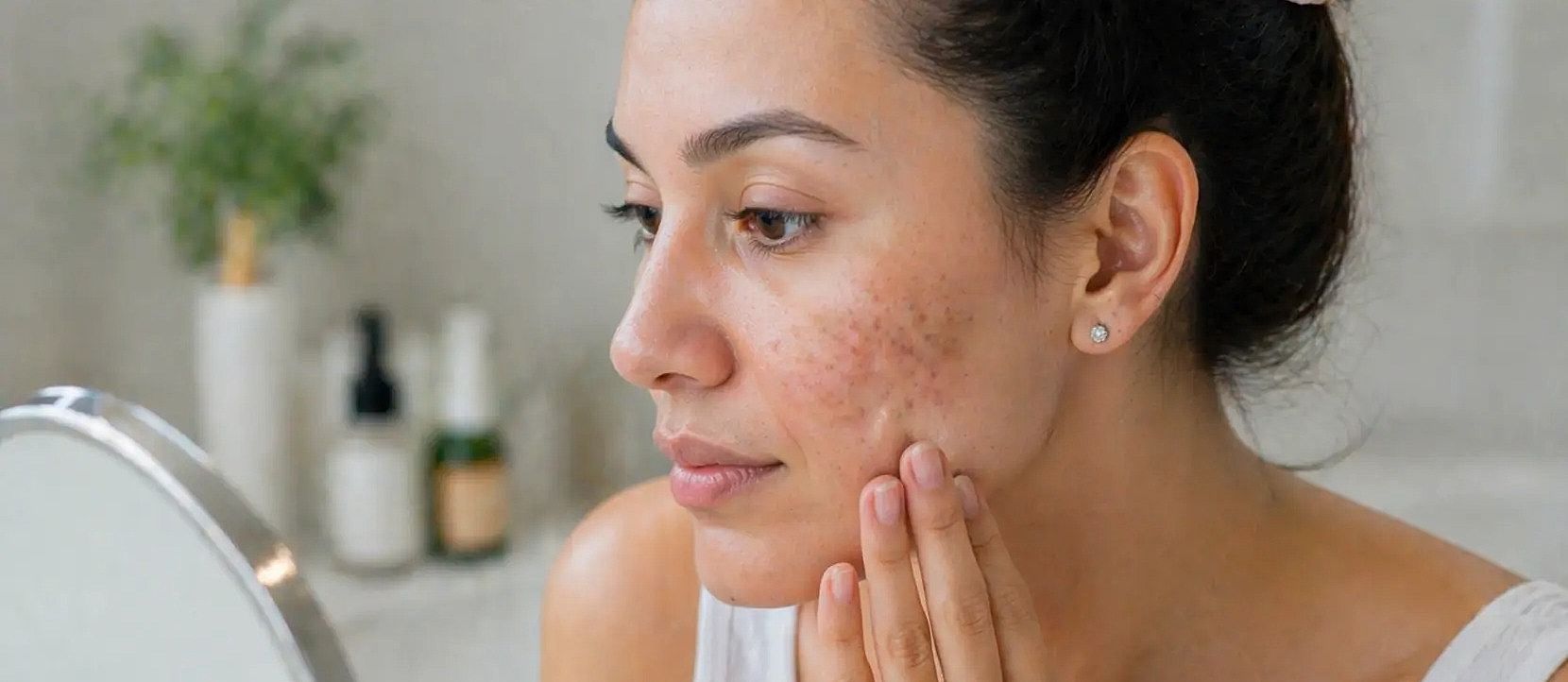
Post inflammatory hyperpigmentation develops when the skin produces excess melanin in response to inflammation. This can happen after acne breakouts, cuts, burns, or even aggressive skincare treatments. The result is dark spots that remain long after the initial issue has healed.
These spots are not scars, but they can still take time to fade. The deeper the pigmentation, the longer it may last. Factors like sun exposure and skin type can also influence how visible and persistent these spots become over time.
Why These Dark Spots Take So Long To Fade
Many people expect these marks to disappear quickly, but that is not always the case. The skin needs time to naturally shed pigmented cells and replace them with new ones. This process can take weeks or even months depending on the severity.
Sun exposure can make the problem worse by darkening existing spots. Without proper care, pigmentation may linger longer than expected. This is why a targeted approach is important instead of relying only on basic skincare routines.
How To Get Rid Of Post Inflammatory Hyperpigmentation Effectively
Treating post inflammatory hyperpigmentation requires a combination of consistency and the right methods. There is no instant fix, but with the correct approach, visible improvement is achievable over time.
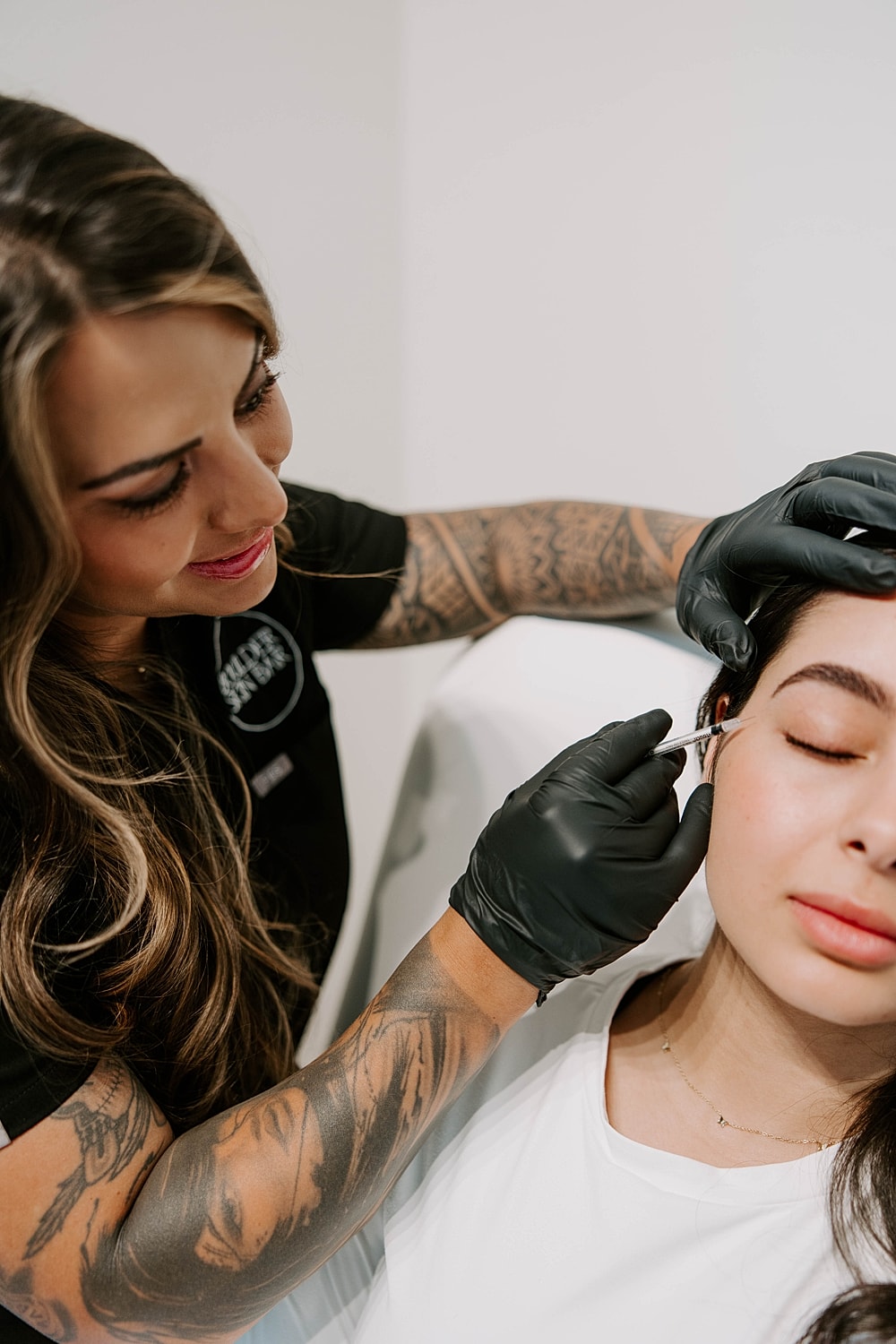
Professional treatments, along with a supportive skincare routine, help speed up the fading process. Addressing both the surface and deeper layers of the skin ensures better and more lasting results, especially with options like microneedling treatment for uneven skin tone.
Best Treatments To Reduce Hyperpigmentation
There are several treatment options available that can help reduce pigmentation and improve skin tone. The right choice depends on your skin type and the severity of the condition.
- Chemical Peels: Help exfoliate the top layer of skin and promote cell turnover
- Laser Treatments: Target deeper pigmentation and stimulate skin renewal
- Microneedling: Encourages collagen production and improves overall skin texture
- Medical-Grade Skincare: Includes ingredients that help lighten dark spots over time
- Customized Facials: Support skin healing and improve overall appearance, making them effective as dark spot treatments for all skin types
Skincare Ingredients That Help Fade Dark Spots
Using the right ingredients at home plays an important role in treating pigmentation. Certain active ingredients are known to help reduce melanin production and support skin renewal.
Ingredients like vitamin C, niacinamide, and retinoids are commonly used to improve skin tone. These ingredients work gradually, so consistency is key. Incorporating them into your routine helps support the results of professional treatments.
Daily Habits That Make A Difference
Your daily habits can either improve or worsen hyperpigmentation. Simple changes in your routine can have a noticeable impact on how quickly your skin recovers.
Sun protection is one of the most important steps. Using sunscreen daily helps prevent dark spots from becoming darker. Avoiding harsh products and picking at the skin also reduces the risk of further pigmentation.
How Long Does It Take To See Results?
The timeline for results varies depending on the depth of pigmentation and the treatment method used. Some people notice improvement within a few weeks, while others may take a few months to see significant changes.
Consistency is the most important factor. Following a structured plan and staying patient with the process helps achieve better outcomes. Combining treatments with proper skincare often delivers faster and more noticeable results.
When Should You Consider Professional Help?
If your pigmentation does not improve with basic skincare, it may be time to consider professional treatments. Deeper pigmentation often requires advanced solutions that go beyond over-the-counter products.
At Boulder Skin Bar, treatments are tailored to address specific skin concerns. A personalized approach ensures that the treatment plan aligns with your skin type and goals, leading to more effective results.
Common Mistakes To Avoid
Many people unknowingly delay their progress by making simple mistakes. Using too many active ingredients at once can irritate the skin and worsen pigmentation.
Another common mistake is skipping sunscreen. Without protection, dark spots can become more noticeable. Avoiding these mistakes helps your skin recover more efficiently and supports long-term improvement.
Why A Consistent Approach Works Best
Treating post-inflammatory hyperpigmentation is not about quick fixes. It requires a consistent routine and the right combination of treatments. Gradual improvement is more sustainable and leads to better skin health overall.
At Boulder Skin Bar, the focus is on creating a plan that works over time rather than delivering temporary results. This approach ensures that improvements are both visible and long-lasting.
Conclusion
Understanding how to get rid of post inflammatory hyperpigmentation helps you take the right steps toward clearer skin. With the right combination of treatments, skincare, and daily habits, it is possible to reduce dark spots and improve overall skin tone.
At Boulder Skin Bar, personalized treatments are designed to support your skin at every stage. To learn more about your options, visit our about us page or contact us to schedule your consultation and start your journey toward healthier skin.
FAQs
Post inflammatory hyperpigmentation cannot be removed instantly, but combining professional treatments with consistent skincare can speed up the process and deliver noticeable improvement over time.
Yes, it can fade naturally over time, but the process may take several months. Proper skincare and sun protection can help speed up the fading process.
The best treatment depends on your skin type and the severity of pigmentation. Options like chemical peels, laser treatments, and targeted skincare are commonly recommended.
Sunscreen does not remove dark spots directly, but it prevents them from becoming darker. It is an essential part of any treatment plan for hyperpigmentation.
Post-inflammatory hyperpigmentation is usually not permanent. With the right treatment and care, it can fade significantly and improve overall skin appearance.