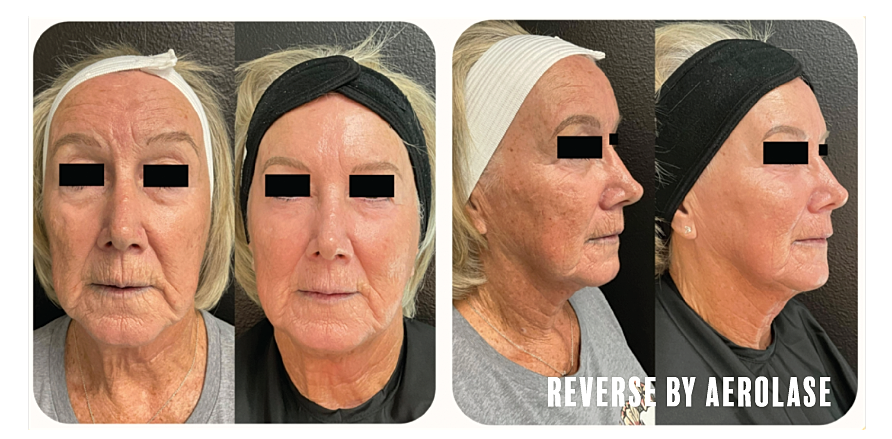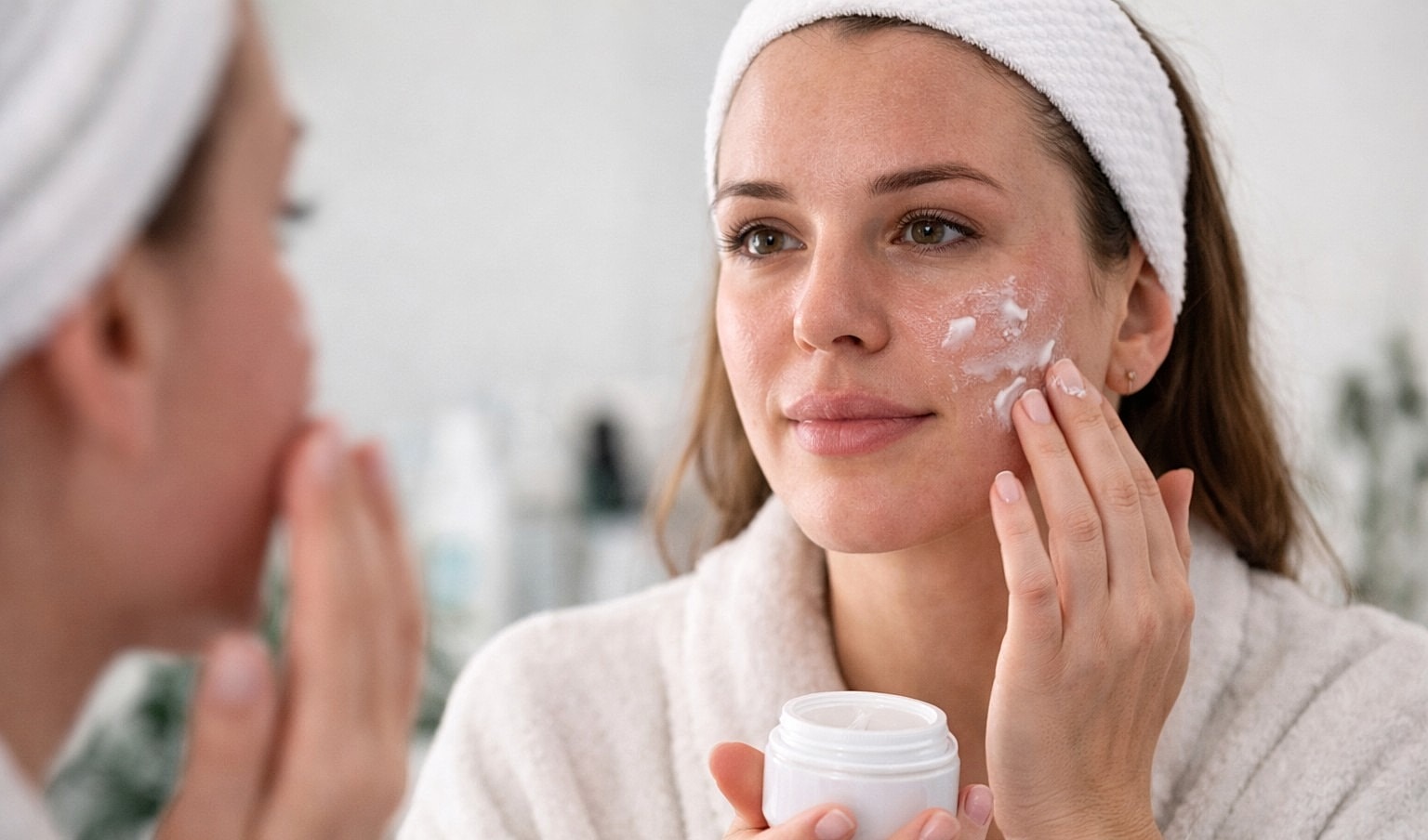
Getting the most out of your session means treating your skin with extra kindness while it’s in repair mode. Since the laser uses controlled thermal energy to kickstart regeneration, your main job is to support the skin barrier as it builds itself back up. This usually looks like keeping the area deeply hydrated, sticking to a fragrance-free gentle cleanser, and being incredibly diligent about staying out of direct sunlight. By committing to a solid post-procedure skincare routine, you’ll not only calm any redness after laser treatment much faster but also ensure your results stay bright and healthy for the long haul. Knowing how to care for skin after laser treatment is the ultimate secret to a successful transformation.
"The success of any laser procedure is 50% the treatment itself and 50% how diligently you manage the recovery at home."
During a laser skin treatment recovery, your skin is essentially in a state of controlled repair. Whether you had an ablative treatment that removes outer layers or a non-ablative one that heats underlying tissue, the body responds by triggering collagen production. This is why many consider this the best laser treatment guide for understanding the physiological changes that occur during renewal.
Immediately following the session, you will likely experience redness after laser treatment. This is a natural inflammatory response. You might also notice swelling after laser resurfacing, which typically peaks within the first two days. Understanding that these reactions are part of the skin healing after laser treatment helps manage expectations during the laser treatment downtime.
The laser creates microscopic "injuries" that signal the brain to send healing nutrients to the face. While this process eventually leads to smoother skin, the immediate result is a temporarily compromised skin barrier repair requirement. Many patients ask, is laser skin rejuvenation safe? When performed by professionals, it is a highly controlled and safe method of improving skin texture and tone.
The first two days are the most critical for post-procedure skincare. Your skin is highly reactive, and your main objective is to soothe and protect to maximize your skin rejuvenation treatments' benefits.
At Boulder Skin Bar, we emphasize that keeping the skin "wet" with healing balms is the fastest way to navigate the recovery period.
Knowing what to avoid is just as important as the products you apply. Skin irritation after laser often occurs when patients reintroduce active ingredients too early.
The timeline for skin healing after laser treatment varies based on the intensity of the laser used. However, most patients follow a predictable set of laser treatment healing stages.
For those receiving an Aerolase era laser treatment, the downtime is often shorter than with traditional CO2 lasers, but the need for a strict post-laser skincare routine remains the same.
To achieve the best results from your laser treatment services in Boulder, remember the "Three Ps": Protect, Preserve, and Patience. Your skin will look its best if you give it the time and the gentle environment it needs to regenerate. If you have questions about your specific recovery or want to explore new options for your complexion, we invite you to contact us or request a consultation with our specialists.
Yes, but you should wait at least 6 to 12 hours depending on your provider's advice. Always use a soap-free, gentle cleanser after laser treatment and pat the skin dry with a clean, soft towel. Avoid any rotating brushes or exfoliating cloths until the skin has fully peeled.
Look for dermatologist-recommended aftercare products containing ceramides, glycerin, or petrolatum. These ingredients help with skin barrier repair by locking in moisture. Avoid moisturizers with "anti-aging" labels, as these often contain acids or fragrances that will sting and irritate the treated area.
Yes, redness after laser treatment is completely normal and expected. It typically looks like a moderate sunburn. For most light treatments, this fades in 24 hours, while deeper resurfacing may leave the skin pink for several days as the new collagen forms underneath.
Most experts recommend waiting at least 48 to 72 hours before applying makeup. Once the skin has stopped "weeping" or feeling raw, you can use mineral makeup. Mineral products are preferred because they allow the skin to breathe and rarely contain irritating chemicals or oils.
Strict use of SPF after laser treatment is the most important step in your routine. Use a mineral-based sunscreen with at least SPF 30 every single day. Since your skin is extra sensitive, UV exposure can lead to permanent dark spots or "PIH" if not properly shielded.
Avoid direct sun exposure, picking at peeling skin, and using harsh topical chemicals like Retin-A or glycolic acid. You should also stay away from swimming pools and hot tubs for the first week to prevent infection while your skin barrier is still vulnerable and open.
To optimize skin healing after laser treatment, stay hydrated and follow a clean diet. Applying a thin layer of healing ointment keeps the environment moist, which allows skin cells to migrate and repair faster than if the skin is allowed to dry out and scab.