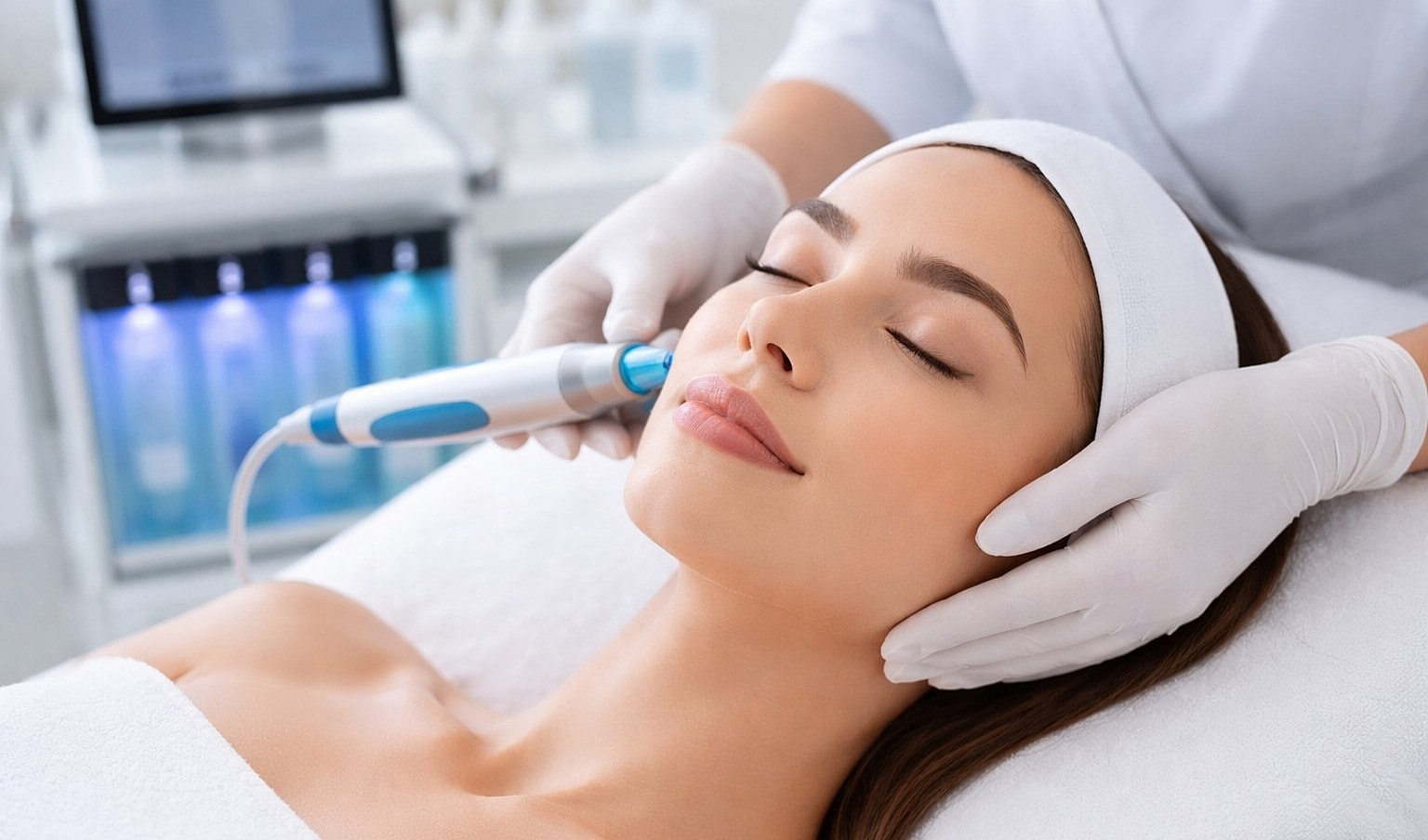
To maintain optimal skin health, you should get a Hydrafacial every 4 to 6 weeks. This timeframe is essential because it aligns with the natural skin cell turnover cycle, ensuring that dead cells are removed and replaced by healthy, hydrated tissue before clogged pores can reform. Determining how often you should get a Hydrafacial depends largely on whether you are treating a specific condition, like active acne, or simply looking for a long-term maintenance facial to keep your skin barrier resilient.
"Consistency matters more than intensity when it comes to skin health."
A Hydrafacial is a non-invasive facial treatment that utilizes a patented Vortex-Fusion delivery system to cleanse, extract, and hydrate the skin. Unlike traditional facials that rely on manual extractions, this medical-grade device uses a vacuum-like tip to deeply clear pores while simultaneously infusing the skin with antioxidants, peptides, and hyaluronic acid.
The process involves several key stages:
This multi-step approach supports skin barrier health by providing deep hydration without the downtime associated with more aggressive resurfacing techniques. If you are unsure which serum boosters are right for your concerns, you can request a consultation to speak with a specialist.
Yes, getting a Hydrafacial once a month is not only safe but also highly recommended by skincare professionals. Because the treatment provides gentle exfoliation rather than harsh abrasion, it does not strip the skin of its essential oils or cause micro-tears.
At Boulder Skin Bar, we often see the best cumulative results in clients who stick to a monthly schedule. Regular sessions help manage the accumulation of environmental pollutants and sebum, preventing the formation of blackheads and whiteheads. Furthermore, consistent monthly treatments help with collagen stimulation, which is vital for maintaining skin elasticity. To secure your preferred time slot for your next visit, feel free to book now through our online portal.
While the standard 4-week interval works for general upkeep, specific skin conditions may require a customized treatment plan.
For those struggling with active breakouts or oily skin, an accelerated schedule of every 2 to 3 weeks may be recommended initially. Frequent sessions help regulate oil production and keep the pores clear of acne-causing bacteria.
To target hyperpigmentation and fine lines, a consistent monthly routine is essential. For more intensive resurfacing, some patients may alternate this treatment with an Aerolase Era laser to address deeper structural concerns.
The Hydrafacial is a sensitive skin-safe option that focuses on replenishment. For chronically dry skin, a session every 4 weeks ensures the skin barrier remains intact and hydrated, preventing the flakiness and irritation often caused by Colorado’s arid climate.
The immediate "glow" and smoothness following a treatment typically last between 5 to 7 days. However, the internal benefits—such as improved hydration and clearer pores—can persist for several weeks.
To extend these results, it is crucial to use medical-grade skincare at home. Incorporating high-quality serums and daily SPF will protect the newly exfoliated skin and enhance the Hydrafacial benefits achieved during your appointment. Factors like lifestyle, diet, and sun exposure will also influence the longevity of your results. If you have questions about which products complement your treatment, you can contact us directly for guidance.
To maximize the efficacy of your skincare investments, consider this general guideline for frequency:
Skin Goal
Recommended Frequency
Initial Correction (Acne/Pigment)
Every 2–3 weeks (for 4–6 sessions)
Standard Maintenance
Every 4–6 weeks
Pre-Event Glow
2–5 days before the event
Anti-Aging & Lymphatic Drainage
Every 4 weeks
For patients seeking more comprehensive changes, this treatment can be part of a broader laser treatment services strategy in Boulder. If you are currently expecting, you may also want to review our guide on Can You Get a Hydrafacial in pregnancy to ensure your routine remains safe.
Understanding how often you should get a Hydrafacial is the first step toward achieving a consistently clear and radiant complexion. While a single treatment is the best skin rejuvenation treatment for a special event, the real transformation happens through regular, monthly sessions. By adhering to a professional schedule, you can effectively manage acne, reduce signs of aging, and support your skin's overall resilience.
If you are ready to start your journey toward healthier skin, Boulder Skin Bar is here to help you develop a plan tailored to your unique needs. We encourage you to request a consultation to meet our team or book now to schedule your next appointment. For any further questions regarding our services in Boulder, please contact us.
Our team of experts will help you determine the exact frequency required to reach your goals when considering how often you should get a Hydrafacial.
Yes. Younger skin typically has a faster skin cell turnover cycle, while older skin requires more frequent stimulation to maintain collagen production. Patients over 40 often benefit from a strict 4-week schedule to combat the natural slowing of skin regeneration and to maintain a youthful, hydrated complexion.
For active acne management, we recommend a treatment every 2 to 3 weeks. Once the congestion is under control, you can transition to a 4-week maintenance schedule. This helps prevent future blockages and reduces the appearance of post-inflammatory hyperpigmentation.
While the treatment is gentle, getting it more than once every two weeks is generally unnecessary. The skin needs time to complete its natural healing and renewal process. Over-exfoliating can eventually weaken the skin barrier, leading to sensitivity or redness.
The ideal maintenance schedule is once every 30 days. This ensures that you are removing dead skin cells as they accumulate and infusing the skin with nutrients before the previous session's hydration levels significantly deplete.