Published May 27, 2026
6 minute read
The best treatment for acne scars depends on the type of scars, skin sensitivity, downtime preferences, and overall skin goals. Laser treatments, microneedling, and chemical peels all work differently, which is why choosing the right option requires understanding how each treatment affects the skin.
Acne scars can remain visible long after breakouts heal, making skin texture and uneven tone difficult to improve with skincare products alone. At Boulder Skin Bar, many clients want treatments that help smooth acne scars while supporting healthier-looking skin without unnecessary irritation. Comparing these professional treatment options can help you decide which approach may work best for your skin concerns.
What Causes Acne Scars?
Acne scars form when inflammation damages the skin during breakouts. As the skin heals, collagen production may become uneven, leading to depressed scars, rough texture, or lingering discoloration.
Some scars appear shallow and surface-level, while others extend deeper beneath the skin. The severity of inflammation, picking at acne, genetics, and delayed treatment can all affect how noticeable acne scars become over time.
What Are The Main Types Of Acne Scar Treatments?
Laser treatments, microneedling, and chemical peels are among the most commonly recommended professional options for improving acne scars. Each treatment works differently depending on the depth and type of scarring.
Some treatments focus on resurfacing the skin, while others stimulate collagen production or improve skin turnover. The best choice often depends on whether the concern is texture, discoloration, deep scarring, or overall skin clarity.
How Do Laser Treatments Help Acne Scars?
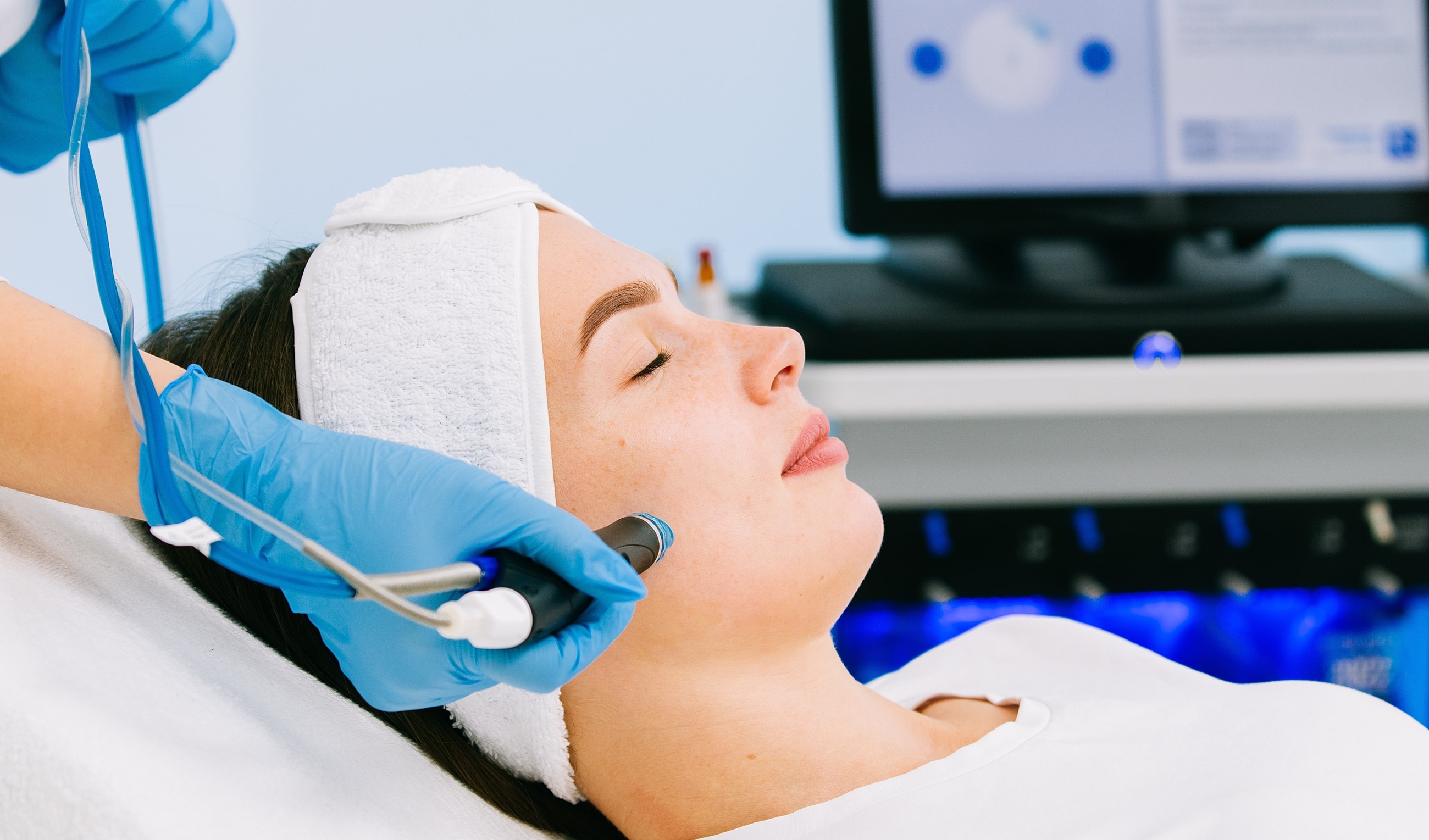
Laser treatments help acne scars by stimulating collagen production and improving uneven skin texture. Certain lasers also target pigmentation and redness left behind after acne heals.
Some laser procedures create stronger resurfacing effects, while gentler options focus on gradual skin improvement with reduced downtime. The intensity of the treatment usually depends on scar depth, skin sensitivity, and recovery preferences.
How Does Microneedling Improve Acne Scars?
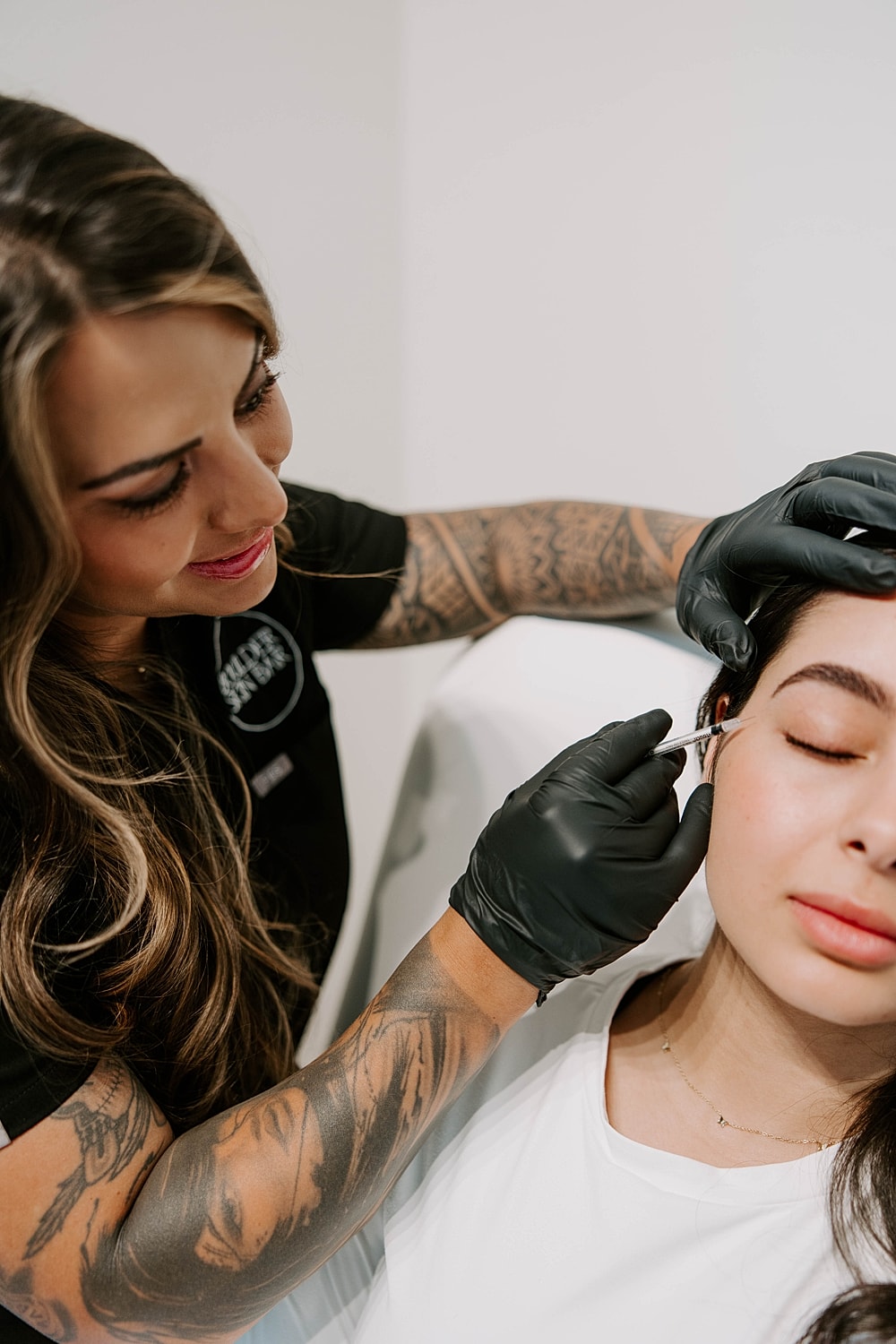
Microneedling helps acne scars by creating controlled micro-injuries that stimulate collagen and elastin production beneath the skin. As the skin heals, texture may gradually appear smoother and more balanced.
Many people choose microneedling because it supports natural skin renewal without aggressive resurfacing. The treatment is often recommended for mild to moderate acne scarring and uneven skin texture.
What Do Chemical Peels Do For Acne Scars?
Chemical peels improve acne scars by exfoliating damaged outer skin layers and encouraging healthier skin turnover. Some peels focus mainly on pigmentation, while deeper peels may also help improve mild texture concerns.
The strength of the peel affects both results and recovery time. Superficial peels generally involve less downtime, while stronger peels may require more healing depending on skin sensitivity and treatment depth.
Which Acne Scar Treatment Works Best?
The best acne scar treatment depends on your skin type, scar depth, and overall treatment goals. Some individuals benefit from one treatment alone, while others achieve stronger results through combination approaches.
- Laser treatments may help deeper texture concerns
- Microneedling supports collagen production gradually
- Chemical peels improve discoloration and surface texture
- Combination treatments may improve multiple concerns together
- Personalized treatment plans often create better long-term results
Which Treatment Has The Least Downtime?
Microneedling and lighter chemical peels generally involve less downtime compared to stronger resurfacing laser procedures. Most people experience temporary redness or mild sensitivity after treatment.
Some laser treatments may require longer recovery periods depending on intensity and skin response. The best option often depends on how much downtime you are comfortable managing during the treatment process.
Which Option Is Better For Dark Spots After Acne?
Chemical peels and certain laser treatments are commonly used to improve post-acne pigmentation and uneven skin tone. These treatments focus on reducing discoloration while encouraging healthier skin renewal.
Microneedling may also help improve dark spots gradually by supporting skin turnover and collagen production. Professional evaluation helps determine which treatment aligns best with your pigmentation concerns and skin sensitivity.
Can Acne Scar Treatments Work For Sensitive Skin?
Many people with sensitive skin worry about irritation, peeling, or worsening pigmentation after professional treatments. Treatment intensity and skin preparation play an important role in minimizing unnecessary irritation.
Gentler laser settings, customized chemical peels, and carefully planned microneedling sessions may help sensitive skin respond more comfortably. Personalized treatment planning is important for balancing results with skin tolerance.
How Many Sessions Are Usually Needed?
Acne scar improvement usually requires multiple sessions because collagen production and skin renewal happen gradually over time. The exact number depends on scar depth, treatment type, and skin response.
Some people notice smoother-looking skin after a few sessions, while deeper scarring often requires a longer treatment plan. Consistency and proper aftercare usually play a major role in achieving better long-term results.
Can You Combine Acne Scar Treatments?
Yes, many people combine treatments like microneedling, lasers, and chemical peels to address different aspects of acne scarring. Combination treatments may improve texture, discoloration, and overall skin clarity more effectively together.
Professional guidance is important because combining treatments incorrectly may increase irritation or sensitivity. Customized treatment schedules help create a more balanced and manageable improvement process.
How Can You Maintain Acne Scar Results?
Maintaining results requires ongoing skincare support and sun protection after professional treatments. Daily sunscreen use is especially important because UV exposure can worsen pigmentation and slow the healing process.
Gentle skincare products, hydration, and avoiding harsh exfoliation can also help support healthier skin between sessions. Consistency with home care often improves the long-term outcome of professional acne scar treatments.
Why Is Professional Evaluation Important Before Treatment?
Not all acne scars respond to treatment the same way. Some individuals mainly struggle with pigmentation, while others have deeper textural scarring that requires different approaches.
At Boulder Skin Bar, treatment plans are customized based on skin type, scar severity, and long-term skincare goals. This personalized strategy helps support more balanced results while reducing unnecessary irritation during treatment.
Conclusion
The best treatment for acne scars depends on your skin concerns, scar type, and how your skin responds to professional procedures. Laser treatments, microneedling, and chemical peels all offer different benefits, which is why personalized treatment planning is important for achieving smoother and healthier-looking skin.
At Boulder Skin Bar, acne scar treatments are designed to support long-term skin improvement through customized care and advanced treatment options. If you are ready to explore professional treatments for acne scars, request consultation or book now to find the right approach for your skin goals.
Frequently Asked Questions
Laser treatments are often recommended for deeper acne scars because they support collagen production and help improve uneven skin texture beneath the surface.
Yes, microneedling may help improve mild to moderate acne scars by stimulating collagen production and encouraging smoother-looking skin over time.
Chemical peels may improve surface discoloration and mild texture concerns, but deeper scars often require multiple treatments or combination approaches for stronger improvement.
Most people require multiple sessions depending on scar depth, skin response, and the type of treatment being performed.
Microneedling and lighter chemical peels generally involve less downtime compared to stronger resurfacing laser treatments.