Published May 27, 2026
6 minute read
The best age to start Botox depends on your skin condition, facial movement, genetics, and long-term skincare goals. Many people begin Botox treatments in their late twenties or early thirties to help reduce repetitive facial movements that contribute to wrinkle formation over time.
Wrinkles often develop gradually, which is why many individuals explore preventative treatments before lines become deeply visible. At Boulder Skin Bar, clients frequently ask when Botox actually makes sense and whether starting earlier helps maintain smoother-looking skin longer. Understanding how Botox works and when it may be beneficial can help you make a more informed treatment decision.
What Is Botox And How Does It Work?
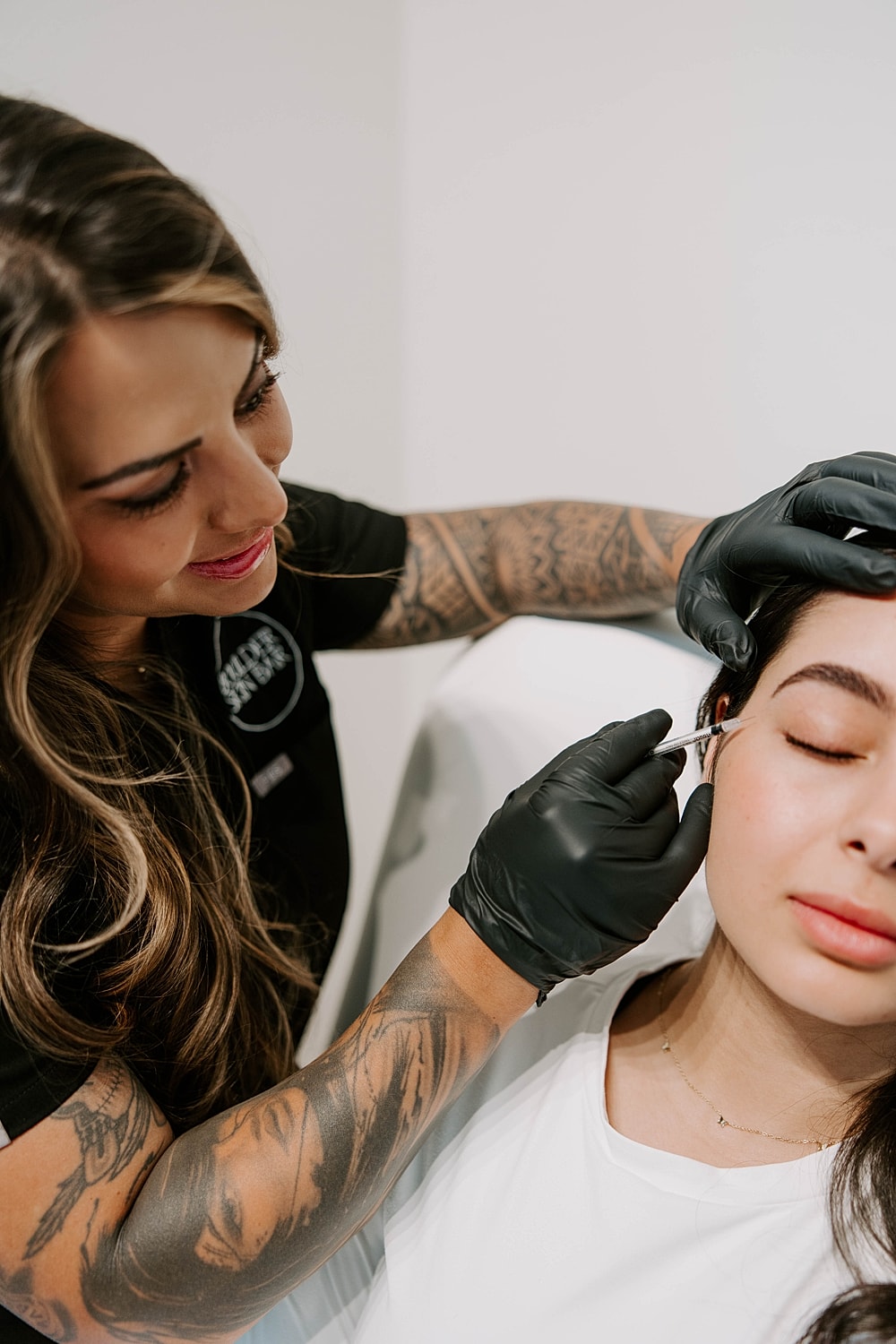
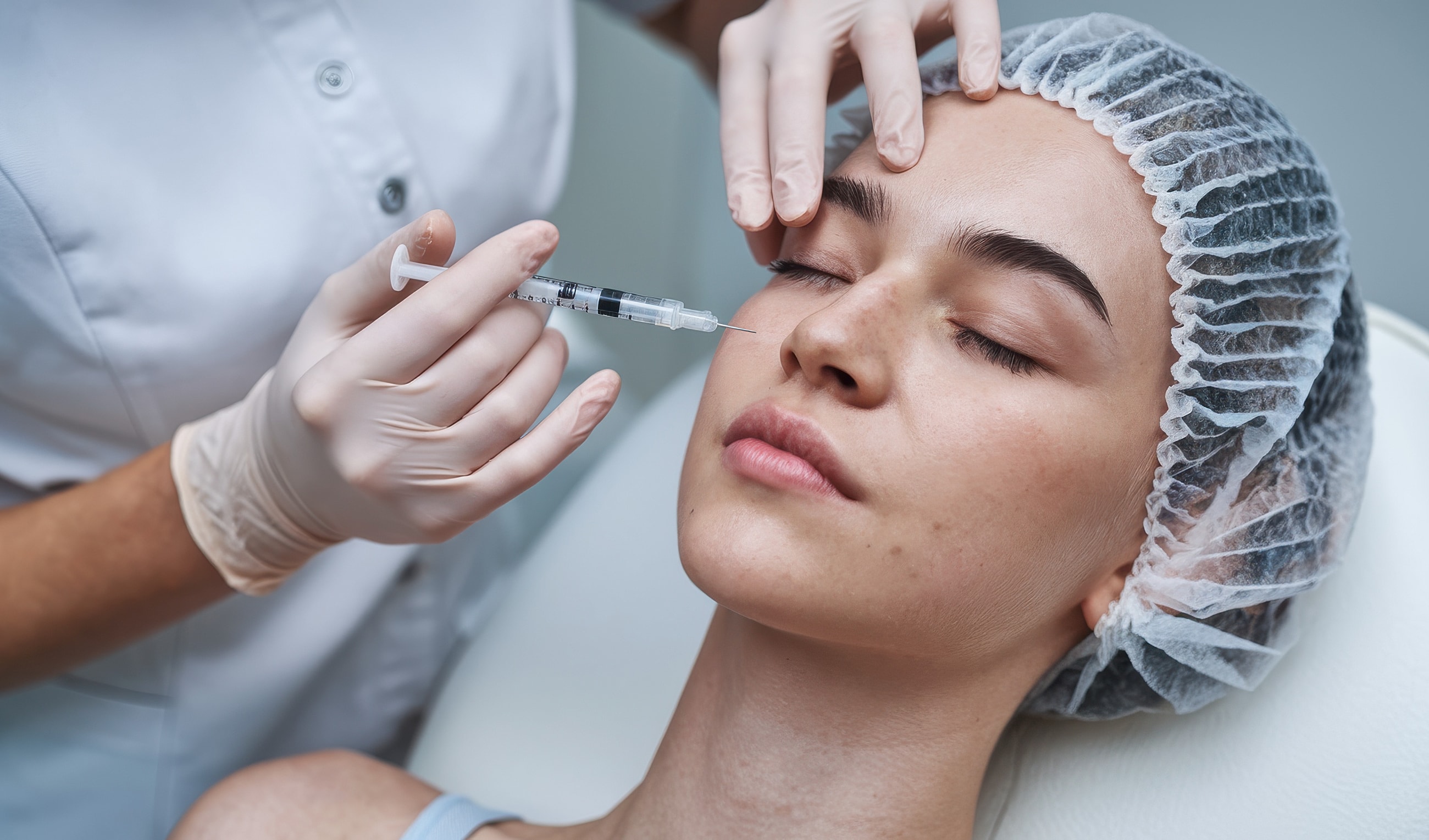
Botox is an injectable treatment that temporarily relaxes targeted facial muscles responsible for repetitive movements like frowning, squinting, and raising the eyebrows. These repeated expressions contribute to the gradual formation of fine lines and wrinkles over time.
By reducing muscle movement in specific areas, Botox helps soften existing expression lines while also slowing the development of deeper wrinkles. Common treatment areas include the forehead, crow’s feet, and the lines between the eyebrows.
Why Do Wrinkles Start Forming Early?
Wrinkles often begin developing earlier than many people expect because facial muscles move constantly throughout the day. Repeated expressions combined with collagen loss, sun exposure, stress, and lifestyle habits all affect how quickly lines become visible.
Some individuals notice fine lines appearing in their twenties, especially around the eyes or forehead. Genetics also play a major role in determining how early wrinkles become noticeable and how deeply they develop over time.
What Is The Best Age To Start Botox?
Many people start Botox between their late twenties and early thirties when fine lines first begin appearing during facial expressions. Starting treatment at this stage may help slow the formation of deeper wrinkles over time.
There is no universal age that works for everyone because skin condition and muscle activity vary from person to person. Some individuals may not consider Botox until later, while others begin preventative treatments earlier based on visible movement lines.
Can Botox Help Prevent Wrinkles?
Yes, Botox may help prevent wrinkles by reducing repetitive muscle movements that contribute to expression lines. Preventative Botox focuses on limiting the repeated folding of the skin before wrinkles become deeply etched.
This approach is often appealing for individuals who want to maintain smoother-looking skin gradually rather than waiting until lines become more difficult to manage. Consistent treatment plans may help slow visible aging in commonly treated areas.
What Signs Suggest You May Be Ready For Botox?
Several early signs may indicate that Botox could help support wrinkle prevention and smoother-looking skin.
- Fine lines remain visible after facial expressions relax
- Forehead lines appear more noticeable over time
- Crow’s feet develop during smiling or squinting
- Frown lines become visible between the eyebrows
- Makeup settles into expression lines more frequently
Is Starting Botox Too Early A Problem?
Starting Botox too early is not always necessary if visible lines and strong muscle movement are not present. Some people feel pressured by social trends to begin treatments before their skin actually shows signs of expression-related wrinkles.
Professional evaluation helps determine whether Botox aligns with your skin concerns and goals. A balanced approach usually focuses on natural-looking prevention instead of over-treating areas that may not need correction yet.
Does Preventative Botox Look Natural?
Preventative Botox is designed to create subtle improvement rather than dramatic facial changes. The goal is usually to soften movement enough to reduce wrinkle formation while still maintaining natural facial expression.
When treatment is properly planned, most people simply notice smoother-looking skin rather than an obvious cosmetic change. This is one reason preventative Botox continues becoming more popular among younger adults.
How Long Does Botox Last?
Botox results are temporary and generally last several months depending on the treatment area, metabolism, and muscle activity. Over time, muscle movement gradually returns as the effects wear off.
Many individuals choose maintenance appointments to continue supporting smoother-looking skin and wrinkle prevention. Treatment frequency varies depending on personal goals and how the skin responds over time.
Does Botox Only Work For Existing Wrinkles?
Botox is commonly used for both existing expression lines and preventative wrinkle care. Some individuals start treatment after noticing visible forehead lines or crow’s feet, while others begin earlier to slow wrinkle progression.
The treatment works best on dynamic wrinkles caused by facial movement rather than deeper static lines caused by collagen loss alone. Professional evaluation helps determine which concerns Botox may improve most effectively.
What Factors Affect The Right Botox Timing?
The ideal timing for Botox depends on several personal factors rather than age alone. Skin condition, muscle movement, lifestyle habits, and genetics all influence when treatment may become beneficial.
People with strong facial expressions or early visible lines may explore Botox sooner than those with slower wrinkle development. Sun exposure, stress, smoking, and skincare habits can also affect how quickly wrinkles appear.
Why Is Professional Botox Planning Important?
Botox treatments should always be customized based on facial anatomy, muscle activity, and long-term skincare goals. Every person’s facial structure and wrinkle pattern develops differently over time.
At Boulder Skin Bar, treatment plans are personalized to support natural-looking results while helping clients maintain balanced facial movement. This individualized approach helps avoid overly aggressive treatment while supporting smoother skin gradually.
How Can You Support Wrinkle Prevention Alongside Botox?
Botox works best when combined with healthy skincare habits and long-term skin maintenance. Daily sunscreen use is especially important because UV exposure accelerates collagen breakdown and visible aging.
Hydration, proper skincare, and avoiding excessive sun exposure may also help maintain healthier-looking skin. Combining preventative treatments with consistent skincare often supports stronger long-term wrinkle prevention.
Conclusion
The best age to start Botox depends on your skin condition, facial movement, and long-term skincare goals rather than a specific number. Many people begin treatment when early expression lines become noticeable, while others choose preventative Botox to help slow wrinkle formation over time.
At Boulder Skin Bar, Botox treatments are customized to support natural-looking results and balanced facial movement. If you are considering preventative Botox or exploring wrinkle treatments for the first time, request consultation or book now to learn which approach may fit your skincare goals best.
Frequently Asked Questions
Many people begin Botox treatments in their late twenties or early thirties when fine lines first become noticeable during facial expressions and movement.
Yes, Botox may help slow wrinkle formation by reducing repetitive muscle movement that contributes to expression lines over time.
Preventative Botox is commonly used by individuals looking to manage early signs of aging. Professional evaluation helps determine whether treatment is appropriate for your goals.
When properly planned, Botox is designed to soften movement while maintaining natural facial expression rather than creating a frozen appearance.
Botox results are temporary, and many individuals schedule maintenance treatments every few months depending on muscle movement and personal skincare goals.