Published May 27, 2026
6 minute read
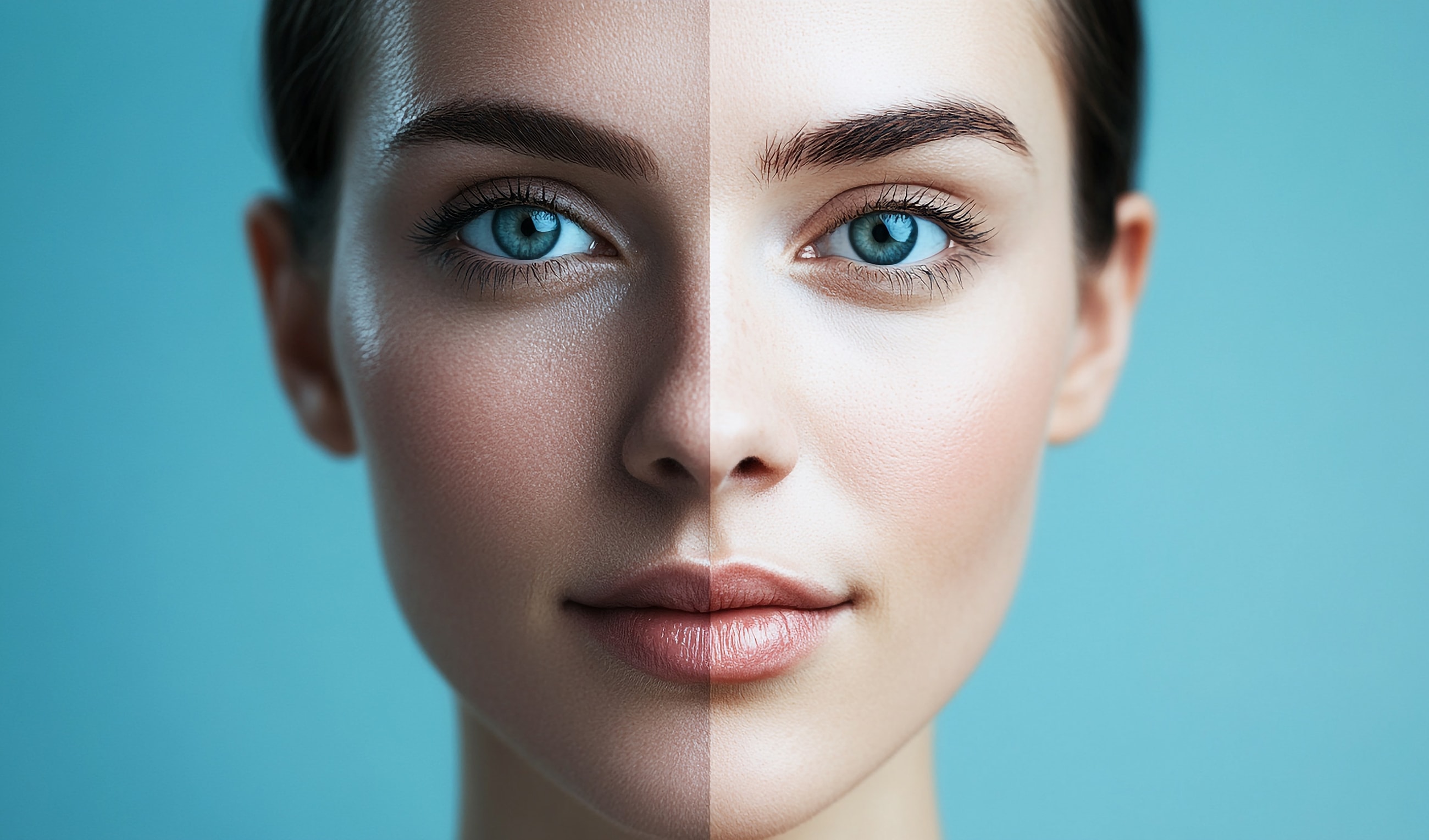
Aerolase before and after results often show gradual improvement in acne, pigmentation, redness, and overall skin clarity without aggressive downtime. Many people choose Aerolase because it supports healthier-looking skin while minimizing excessive irritation during the treatment process.
Skin concerns like breakouts, dark spots, and rosacea can affect confidence when they continue returning despite consistent skincare. At Boulder Skin Bar, clients often want treatments that improve visible skin concerns while still feeling manageable for everyday life. Aerolase has gained attention because it focuses on progressive skin improvement rather than harsh resurfacing that may overwhelm sensitive skin.
What Is Aerolase Laser Treatment?
Aerolase is a laser treatment designed to target concerns such as acne, hyperpigmentation, rosacea, redness, and uneven texture. The treatment uses controlled laser energy to penetrate deeper layers of the skin while minimizing excessive surface damage.
Unlike some traditional laser systems, Aerolase focuses on reducing irritation while supporting healthier skin renewal. This balanced treatment approach is one reason many individuals explore it for long-term skin improvement instead of only short-term correction.
What Do Aerolase Before And After Results Usually Show?
Aerolase before and after improvements often include calmer skin, reduced redness, smoother texture, and more even pigmentation over time. Results typically appear gradually across multiple sessions rather than immediately after one treatment.
People treating acne may notice fewer active breakouts and reduced inflammation. Individuals focused on pigmentation often see dark spots become lighter and more balanced with surrounding skin tone. Rosacea clients may notice reduced visible redness and calmer skin overall.
How Does Aerolase Improve Acne?
Aerolase helps acne by targeting inflammation, acne-causing bacteria, and excess oil production beneath the skin. These are some of the most common contributors to recurring breakouts and irritated skin.
The treatment also supports healthier skin turnover and collagen production, which may help improve post-acne marks and uneven texture. Many individuals prefer Aerolase because it treats active acne while remaining gentler than some aggressive resurfacing procedures.
What Results Can You Expect For Hyperpigmentation?
Hyperpigmentation improvement usually happens gradually because excess pigment sits beneath the surface of the skin. Aerolase works by targeting pigment while encouraging healthier skin renewal over time.
- Helps reduce post-acne dark spots
- Supports more even-looking skin tone
- Targets deeper pigmentation beneath the skin
- May improve melasma and sun-related discoloration
- Supports gradual and balanced skin clarity
Can Aerolase Help Rosacea Redness?
Yes, Aerolase may help reduce visible redness and inflammation associated with rosacea. Many people with rosacea avoid laser treatments because they worry about excessive irritation or flare-ups afterward.
Aerolase is often considered a gentler option because it minimizes excessive surface heat while targeting deeper inflammation. Over multiple sessions, many individuals notice calmer-looking skin and reduced redness triggers.
How Long Does It Take To See Aerolase Results?
Some people notice brighter or calmer-looking skin after the first few treatments, but more noticeable improvement usually develops gradually across multiple sessions. Skin renewal and collagen production continue between appointments.
The timeline varies depending on the skin concern being treated. Acne inflammation may calm sooner, while deeper pigmentation and rosacea often require a more consistent long-term treatment approach for visible improvement.
Why Do Results Look More Natural Over Time?
Aerolase focuses on gradual skin improvement rather than aggressive resurfacing. Because the treatment supports healthier skin renewal over time, the changes often appear more balanced and natural-looking.
Instead of creating dramatic peeling or extended downtime, the skin improves progressively between sessions. Many individuals prefer this slower treatment process because it allows the skin to heal more comfortably while reducing unnecessary irritation.
Is There Downtime After Aerolase Treatments?
Aerolase generally involves minimal downtime compared to stronger resurfacing laser treatments. Most individuals experience only temporary redness that fades relatively quickly after treatment.
Because recovery is usually manageable, many people return to regular activities shortly after their session. This convenience makes Aerolase appealing for individuals looking for professional skin treatments without major interruption to their schedule.
Why Do Aerolase Results Vary Between People?
Every skin condition responds differently to treatment. Factors like acne severity, pigmentation depth, rosacea triggers, skincare habits, and overall skin sensitivity all influence the treatment process.
Some individuals respond faster because their concerns are more surface-level, while others require longer treatment plans for deeper pigmentation or chronic redness. Consistency with sessions and aftercare often plays a major role in long-term results.
How Can You Maintain Aerolase Results?
Maintaining results requires ongoing skincare support and protection from common triggers like sun exposure and irritation. Daily sunscreen use is especially important for individuals treating pigmentation or redness.
Gentle skincare routines, hydration, and avoiding harsh exfoliation can also help support healthier skin between sessions. Long-term consistency often helps preserve the improvements achieved through laser treatments.
Why Is Professional Guidance Important Before Starting Aerolase?
Professional evaluation helps determine whether Aerolase is the right option for your skin condition and goals. Factors like sensitivity, inflammation levels, and previous treatment history all influence the treatment approach.
At Boulder Skin Bar, treatment plans are personalized based on each client’s concerns and long-term skincare goals. This approach helps support safer treatments and more balanced improvement throughout the process.
What Makes Aerolase Popular For Modern Skin Treatments?
Many people today want treatments that improve visible skin concerns without aggressive recovery or major disruption to their daily routine. Aerolase continues gaining attention because it balances comfort, convenience, and gradual improvement within one treatment approach.
The ability to treat acne, pigmentation, redness, and uneven skin texture together also makes it appealing for individuals looking for broader skin improvement instead of targeting only one issue at a time.
Conclusion
Aerolase before and after results often show gradual improvement in acne, pigmentation, rosacea, and overall skin clarity while minimizing excessive irritation and downtime. By supporting healthier skin renewal beneath the surface, the treatment offers a more balanced approach to long-term skin improvement.
At Boulder Skin Bar, treatments are tailored to your skin type, sensitivity, and long-term skincare goals. If you are ready to explore Aerolase treatments for acne, pigmentation, or redness, request consultation or book now to learn which treatment approach may work best for your skin.
Frequently Asked Questions
Some individuals notice early improvement after a few sessions, while more visible results often develop gradually over multiple treatments depending on the skin concern.
Yes, Aerolase may help improve active acne, post-acne marks, and uneven pigmentation by supporting healthier skin renewal and reducing inflammation beneath the skin.
Aerolase may help reduce visible redness and inflammation associated with rosacea while minimizing excessive irritation during treatment.
Most individuals experience minimal downtime after Aerolase sessions. Mild temporary redness may appear, but many people return to regular activities shortly afterward.
The number of sessions depends on the condition being treated, skin sensitivity, and overall treatment goals. Many people benefit from multiple consistent sessions over time.